Bodyweight Vs Equipment: Which Is Better For Home Fitness?
You're tired of crowded gyms, expensive memberships, and wasting time commuting just to work out.
Maybe you've tried home workouts before but got confused about whether you actually need equipment or if bodyweight exercises are enough.
Here's what's frustrating - fitness "experts" keep telling you that you need fancy gear to see real results.
Meanwhile, you're stuck wondering if those push-ups and squats you're doing at home are even worth your time.
The truth is simpler than the fitness industry wants you to believe.
So, when it comes to bodyweight vs equipment training, which one truly builds muscle and strength best when you match the effort?
This article breaks down the real differences so you can pick what works for your busy life - no gym required.
Understanding Bodyweight Vs Equipment Training
Let's clear up what we're actually talking about here.
Bodyweight training uses your own body as resistance - think push-ups, squats, lunges, and planks.
It's about moving your body through space using compound movements that work multiple muscle groups at once.
Equipment training involves external weights or machines like dumbbells, barbells, and weight machines.
You're moving objects around your body rather than moving your body through space.
Both methods help you build strength and lose weight at home. The difference is in how they get you there.
Why This Matters for Home Fitness
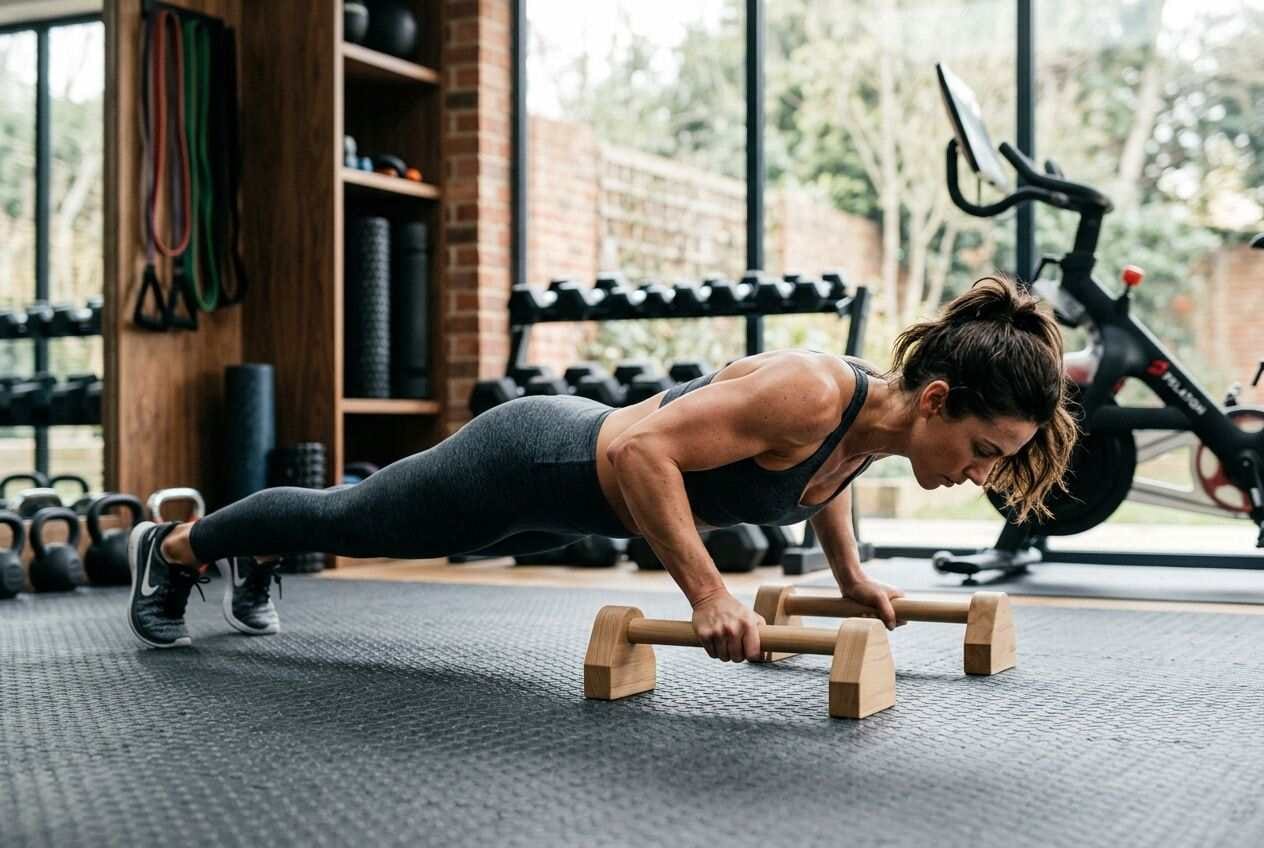
Equipment training excels at targeting specific muscles with precise control. You can easily add more weight as you get stronger.
Bodyweight exercises improve balance, flexibility, and coordination while building functional strength that carries over to daily life.
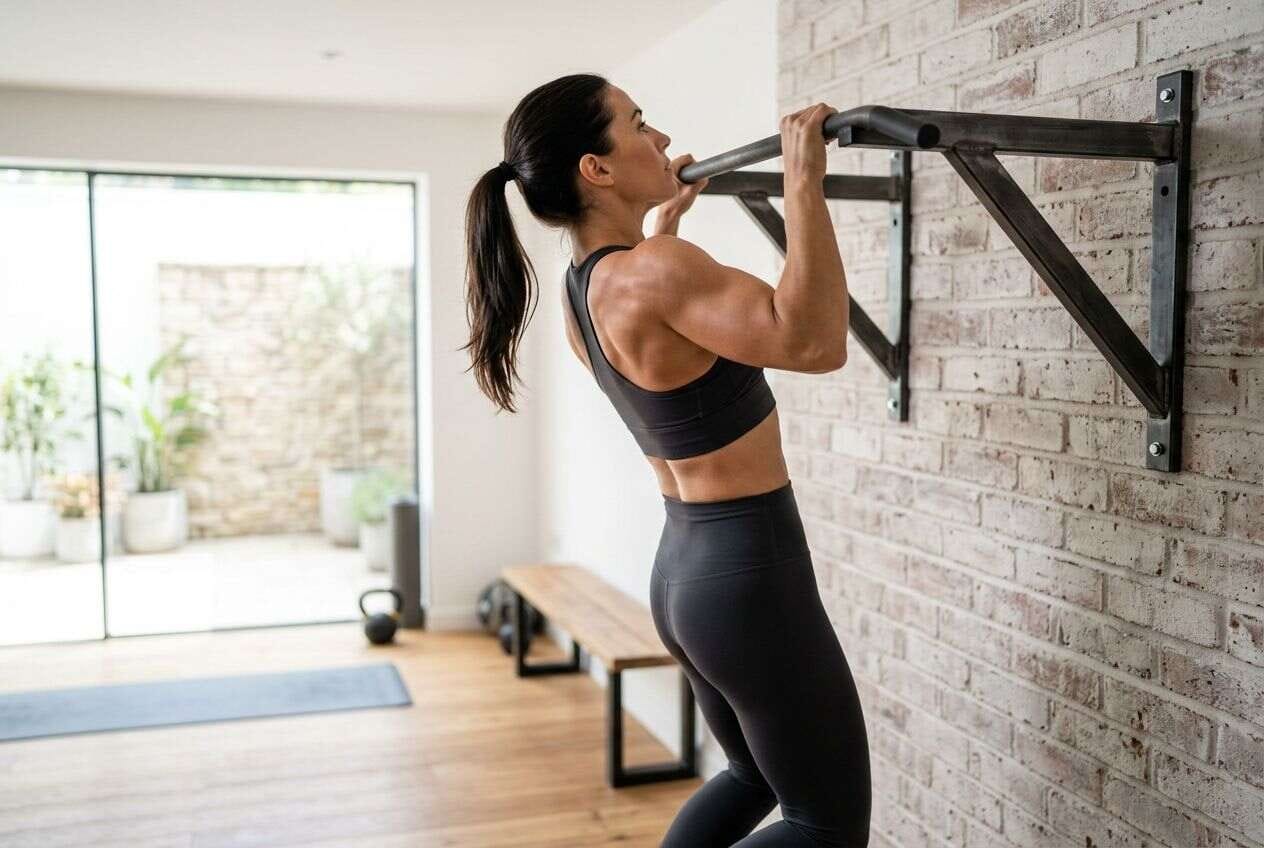
Pull-ups develop upper body strength without any gym equipment.
Each approach offers unique benefits for people who want effective workouts without gym memberships or commute time.
The Case for Bodyweight Training Superiority
Here's where things get interesting. Many fitness enthusiasts argue that bodyweight exercises beat equipment training every single time.
Let me share why this argument has merit.
The Types of Bodyweight Exercises That Matter
We're talking about dynamic movements that challenge multiple muscle groups simultaneously. These aren't your basic static holds or boring isometric exercises.
The movements that make the biggest difference:
Push-ups and variations - work chest, shoulders, triceps, and core
Pull-ups and chin-ups - target back, biceps, and grip strength
Handstand push-ups - challenge shoulders, triceps, and core stability
Squats and pistol squats - engage legs, glutes, and core
Rows - strengthen back muscles and improve posture
These compound exercises work your entire body in ways that mirror real-world activities.
Perfect for busy people who want maximum results in minimum time
Why Compound Movements Win
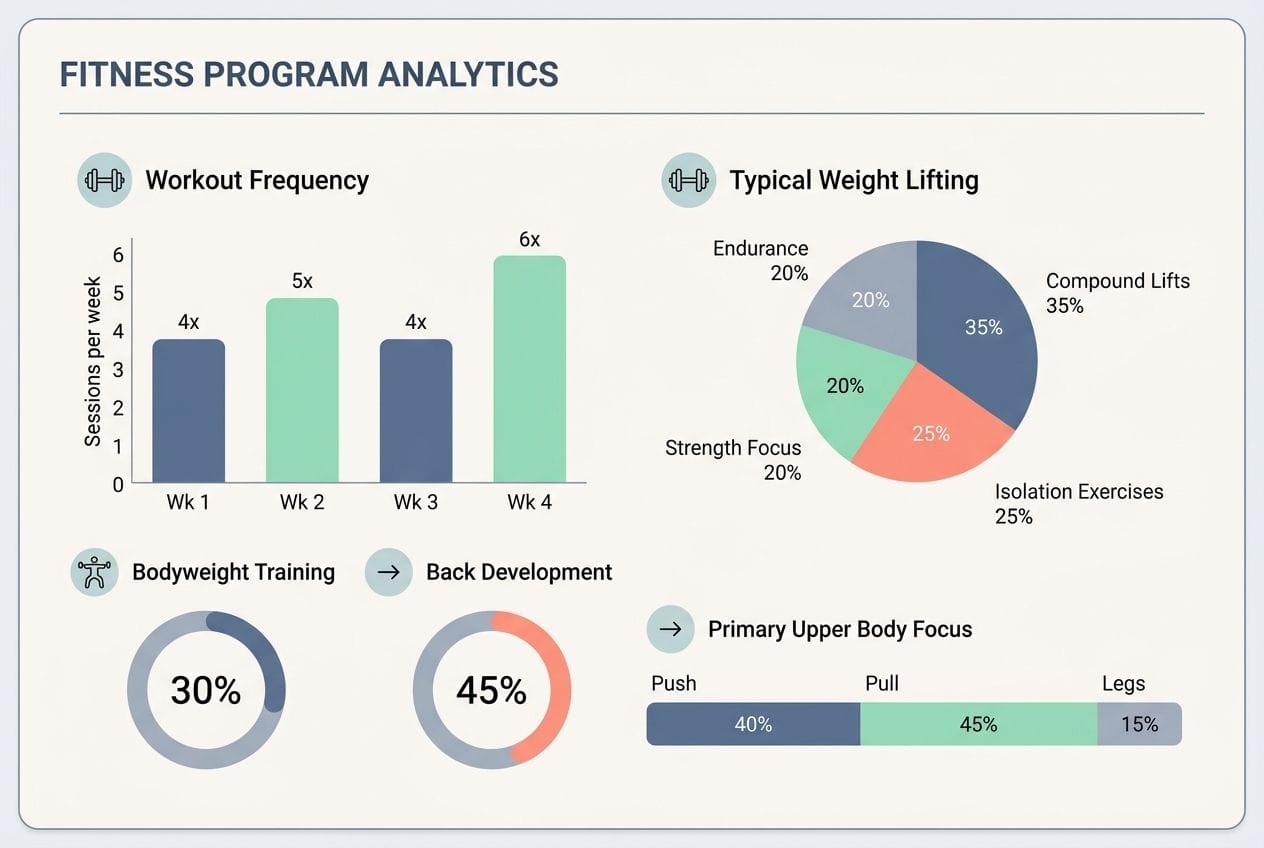
Weight Lifting vs Bodyweight Training Comparison
The Time Factor
Compound movements save you time while burning more calories than single-muscle workouts.
Here's what each major exercise does for you:
Push-ups target your chest, shoulders, triceps, and core all at once. This horizontal push builds upper body strength while engaging your midsection for stability.
Pull-ups work your back, biceps, and shoulders while strengthening your grip. This vertical pull develops functional strength for daily activities like lifting and carrying.
Squats engage your legs, glutes, and core simultaneously. This burns significant calories while building strength for stairs and everyday movement.
Burpees combine a squat, push-up, and jump into one explosive exercise. Full-body movement that elevates your heart rate quickly - ideal for fat loss.
The beauty of compound movements? They train your body to work as one unit instead of separate parts.
How Bodyweight Training Compares to Traditional Gym Routines
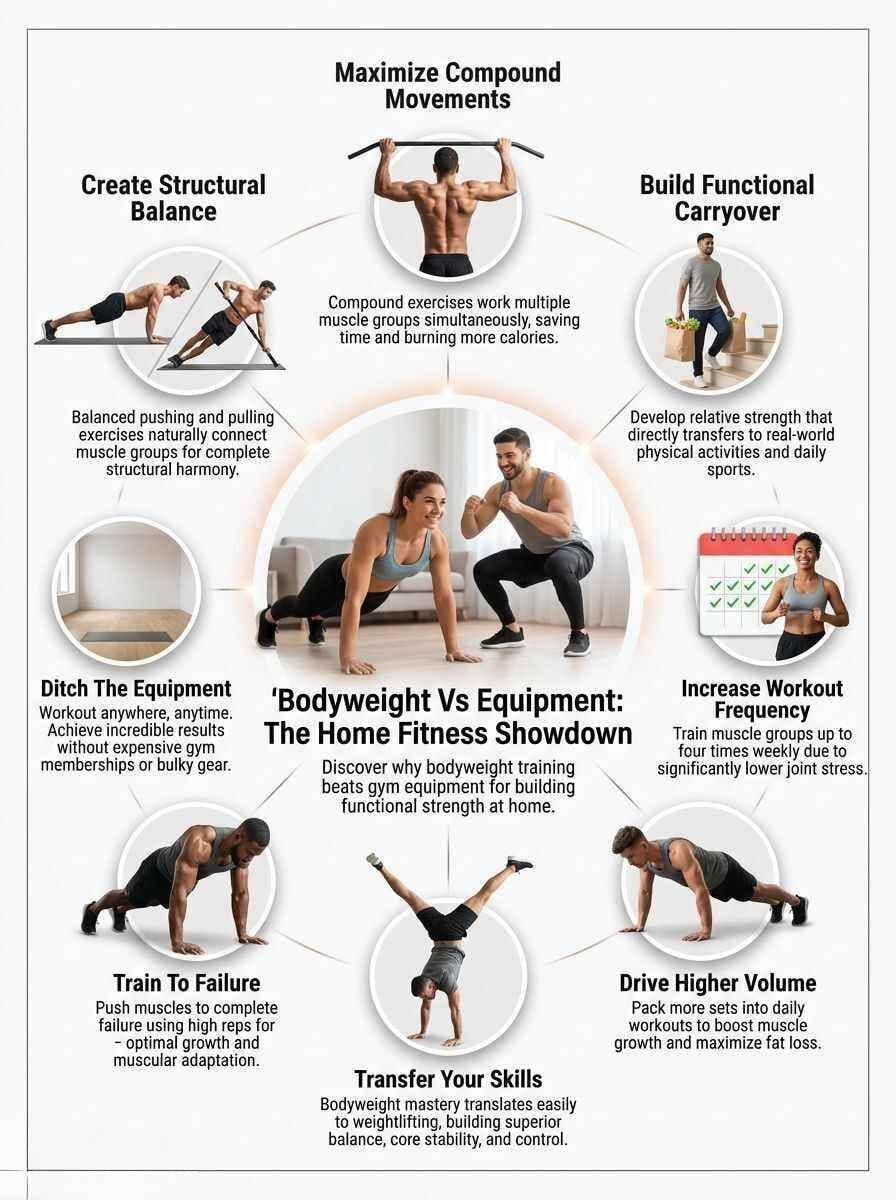
Most gym routines focus on isolation exercises that might surprise you with their limitations. Here's the honest comparison:
Training Frequency and Volume
Bodyweight training allows you to hit muscle groups 2-4 times per week, sometimes even 5-6 times.
Traditional weight training typically hits each muscle group once or twice per week.
This difference matters more than most people realize.
Higher frequency stimulates protein synthesis more often, giving you more opportunities for muscle growth.
The old "bro split" approach of hitting one muscle group per week gets criticized for suboptimal results.
One session per week equals maintenance, two sessions make growth possible, and three sessions hit the sweet spot.
Rep Ranges and Training to Failure
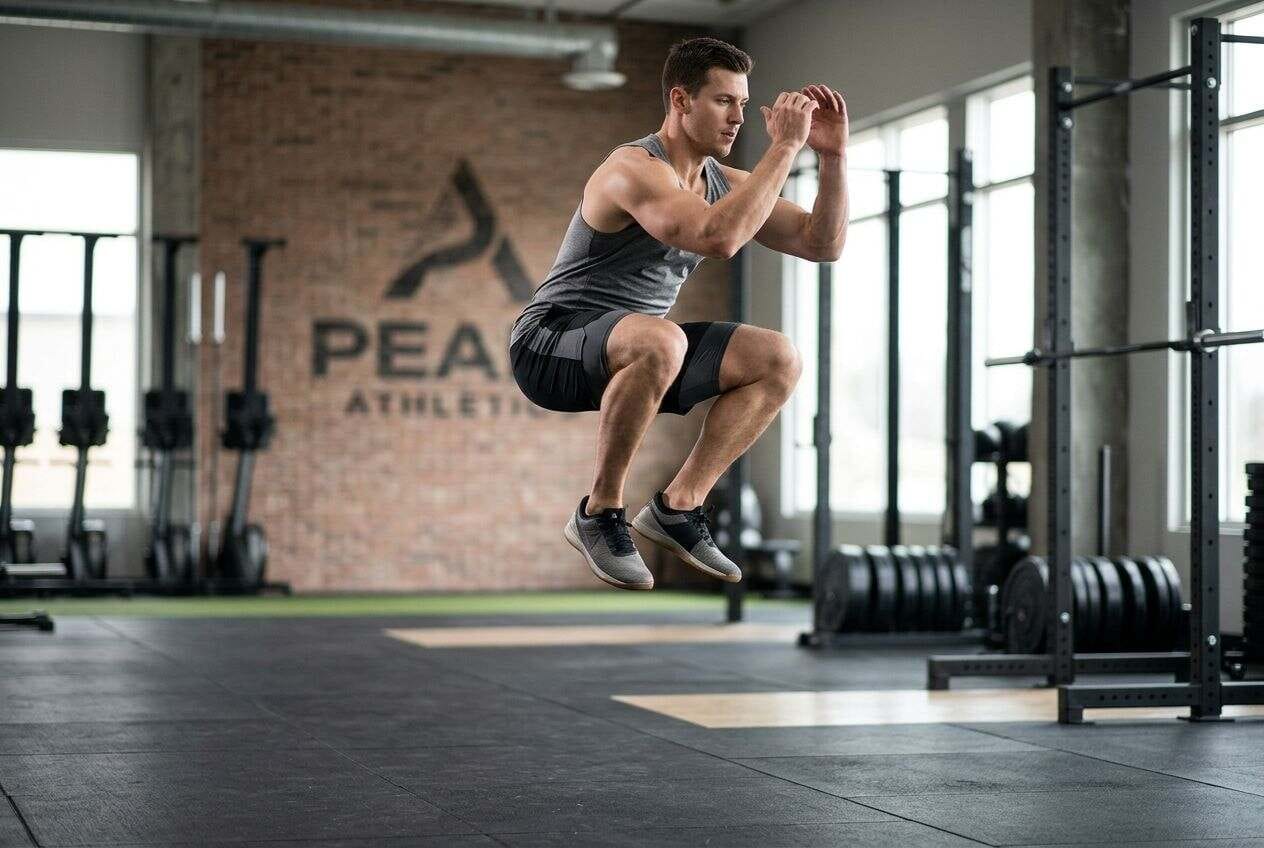
Bodyweight practitioners push their muscles to complete failure far more often than typical weight lifters.
This breaks the old rule that says 8-12 reps are best for muscle growth.
Your muscles don't care if you're lifting iron or moving your own body weight. What matters is reaching that point where you can't do one more rep.
High-rep bodyweight training develops all your muscle fiber types. Traditional weight lifting rep ranges actually limit your muscle development potential
The Origins Connection
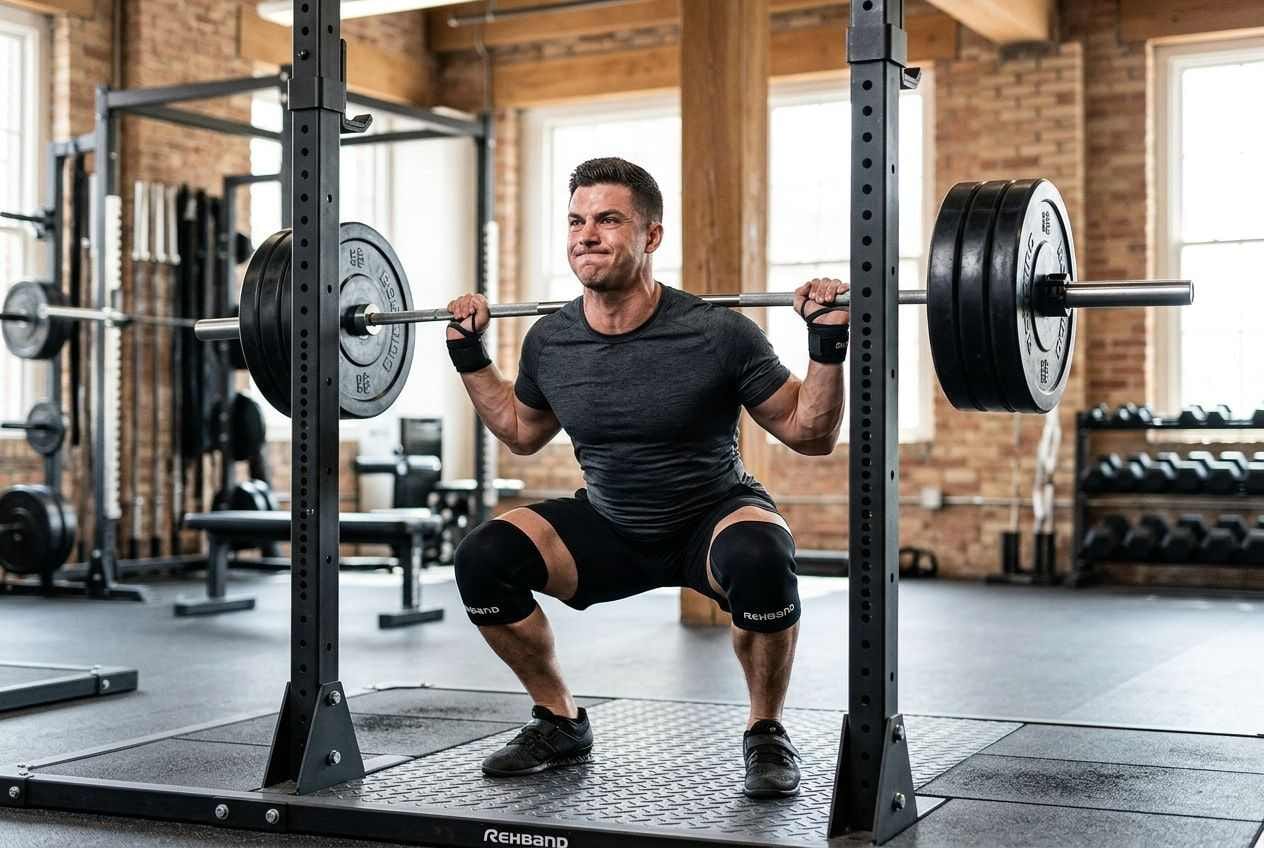
Here's something that might blow your mind - most gym exercises started as bodyweight movements that someone added weight to later.
Bench press? That's just a weighted push-up lying down.
Shoulder press mimics a weighted handstand push-up.
Back squat copies your basic bodyweight squat with extra weight.
Pull-up bars gave birth to lat pulldown machines because many people couldn't do regular pull-ups.
Gym owners needed easier options, so they created machines that copy the same pulling motion.
The distinction comes down to this: bodyweight training moves your body through space, while weight lifting moves external objects around your stationary body.
Athletic Performance and Real-World Strength
Bodyweight training builds relative strength - strength compared to your body weight.
This matters more for real-world activities than just lifting heavy weights.
Pistol squats and squat jumps improve explosive power and jumping ability that helps with daily tasks like climbing stairs or playing with kids.
Core-heavy exercises keep your midsection stable during movement.
Traditional weight lifting focused on isolation doesn't give you the same functional benefits.
Your body learns to work as one unit, making everyday movements feel easier and more natural.
The Practical Reality for Home Fitness
Let's get real about what works for busy adults who want to skip the gym.
Transferability Between Methods
Bodyweight skills transfer to weight lifting much better than the other way around. People who master push-ups and pull-ups often pick up barbells with ease.
Weight lifters struggle more with basic bodyweight exercises because equipment training often isolates muscles instead of teaching them to work together.
Bodyweight training creates a solid foundation that makes other forms of exercise easier.
You develop better balance, stability, and body awareness that helps you lift weights more safely if you choose to add them later.
No Equipment, No Excuses
The practical side wins big points. Bodyweight training needs zero equipment. You can work out anywhere, anytime.
No gym membership, no waiting for machines, no excuses about closed facilities.
This freedom matters when you're juggling work, family, and everything else life throws at you.
My Honest Take: Combining Both Approaches
You don't need to pick just one side in this fitness battle. Both bodyweight vs equipment training bring unique benefits to your home workout routine.
Bodyweight exercises give you freedom, flexibility, and functional strength without spending money on gear.
Equipment training offers precise control over progress and targets specific muscles more directly.
Smart fitness enthusiasts combine both methods, using bodyweight moves for daily movement and adding weights when they want extra challenge.
The key is starting simple and staying consistent. Whether you choose push-ups or dumbbells, the best workout is the one you'll actually do.
Conclusion
The bodyweight vs equipment debate doesn't have to be an either-or decision.
Both approaches can help you lose weight, build strength, and feel confident in your own skin - all from home.
Start with what feels comfortable, stay consistent, and remember that progress beats perfection every time.
Your body is already the most sophisticated piece of equipment you'll ever own.
Ready to Take This Further?
If you’ve realized that you don't need a room full of expensive equipment to get in the best shape of your life, you’ve already won half the battle.
The Step Stack System takes that 'minimalist' philosophy to the next level by turning your existing daily routine into your primary workout
No gym membership.
No 5:00 AM alarm.
No willpower required.
Just a simple, proven system that works on your busiest, laziest days.
👉 Grab the Step Stack System here and start burning fat today →
Join hundreds of busy people who are already "stacking" their way to a leaner, healthier body — without ever setting foot in a gym.
FAQs
Can bodyweight exercises really build as much muscle as weights?
Research shows that when you match training volume and push to failure, bodyweight exercises build muscle just as effectively as weights. The key is progressive overload - whether that's more reps, harder variations, or additional sets.
How often should I do bodyweight workouts?
For muscle growth, aim for 2-3 sessions per week targeting the same muscle groups. Unlike heavy weight training, bodyweight exercises create less joint stress, so you can often train more frequently.
What if I can already do 20+ push-ups - how do I keep progressing?
Progress through harder variations like diamond push-ups, one-arm progressions, or handstand push-ups. You can also add pauses, increase range of motion, or combine movements into circuits
Do I need any equipment at all for effective home workouts?
Nope. Your body provides all the resistance you need. A pull-up bar helps for back development, but you can do rows under a table if needed. The best equipment is the kind you'll actually use consistently.
A Quick Word from Weight Loss with Ken
Just so you know, I'm here to empower you with knowledge, not to replace your doctor. The ideas in this article are for your information and education. Before you make any changes to your health routine—be it diet, exercise, or anything else—please have a chat with your physician or a qualified healthcare professional. Your health is your greatest asset, so let's manage it together with the right team.
Created with ©systeme.io