Creating Your Personalized Workout Plan For Home Use
You're tired of crowded gyms but still want to lose weight. I get it. Building your own personalized workout plan at home means you can focus on simple movements that actually work.
And it works without the gym membership, commute, or waiting for equipment.
This article shows you how to create a personalized workout plan using basic exercises and equipment you might already have. We'll keep it simple, practical, and judgment-free.
Ready to ditch the gym for good?
My Transformation: From Gym Dependent to Home Strong
Five years ago, I was that guy who thought real workouts only happened at the gym. I'd drive 20 minutes, wait for machines, and feel rushed the whole time.
Between my job at the wastewater treatment plant and family responsibilities, gym sessions became a source of stress instead of health.
Everything changed when I discovered isometrics and resistance band training at home. Within eight weeks, I lost 15 pounds and felt stronger than ever - all from my living room.
My energy improved, my back pain disappeared, and I had more time for family.
That's when I realized: simple nutrition and small habit shifts beat complicated gym routines every time.
Now I help everyday adults do the same thing. No gym required.
Why Personalized Workout Plans Work Better
Forget one-size-fits-all programs that ignore your real life. A personalized home plan works with your schedule, not against it.
You don't need fancy equipment or two-hour sessions. Simple movements, done consistently, deliver sustainable results. Plus, you save time, money, and the stress of gym culture.
Built Around Your Real Goals
Your plan should match what you actually want. Weight loss happens through simple nutrition combined with movement that burns calories.
Building strength means progressive resistance using bodyweight exercises or basic equipment like resistance bands.
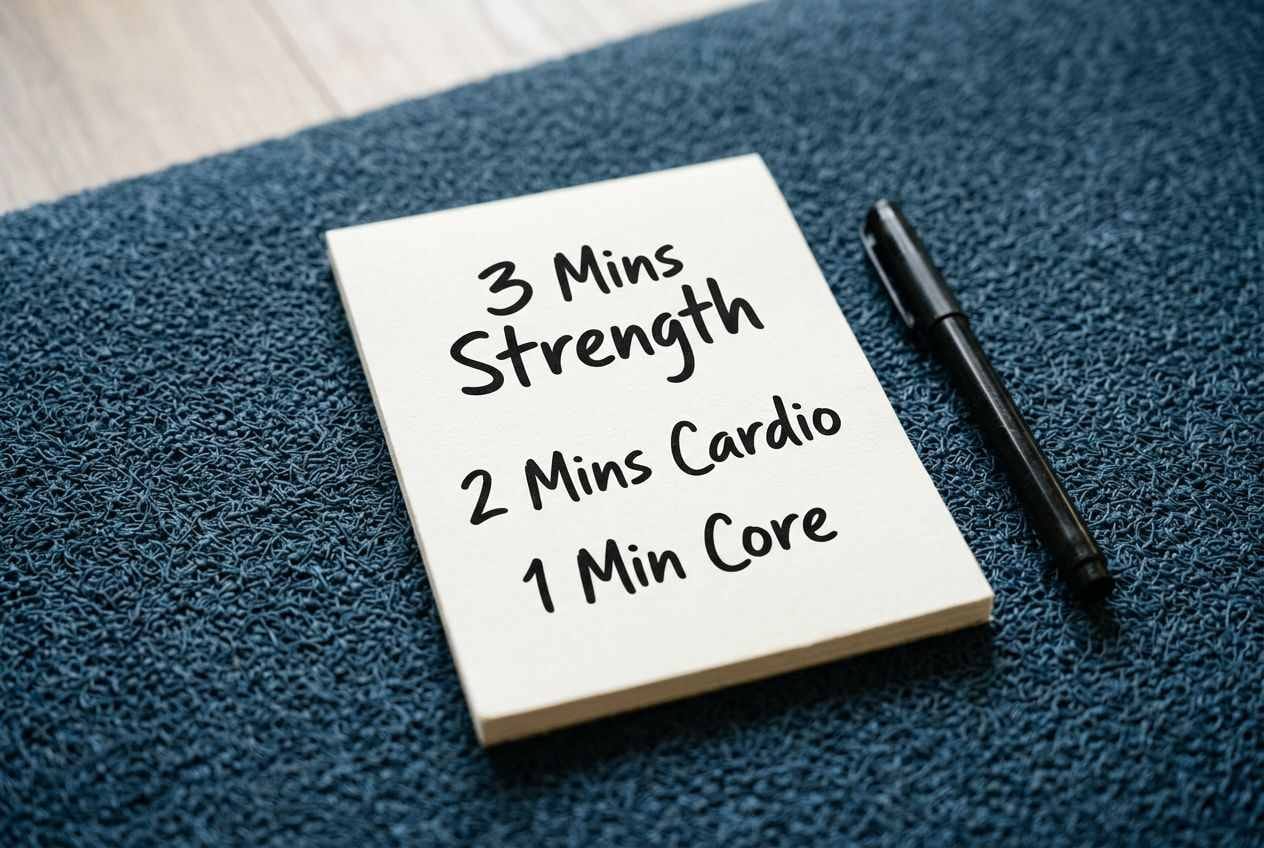
I use the 3-2-1 approach: three minutes of strength moves, two minutes of cardio, and one minute of core work. This keeps things simple while hitting everything your body needs.
Apps can help, but don't overcomplicate it.
Focus on compound movements like squats and modified push-ups that work multiple muscle groups at once. Every exercise should serve a purpose.
Fits Your Actual Schedule
You don't need to block out massive chunks of time. Fifteen minutes beats zero minutes every single day.
Got a quick break before work? Perfect for bodyweight circuits.
Running late tonight? Switch to a ten-minute stretch routine.
Home workouts adapt to your reality - available time, space, and energy levels. Consistency trumps perfection.
I schedule workouts like appointments, but I keep backup plans ready. Some days it's a full 30-minute session with my Total Gym.
Other days it's five minutes of isometrics while dinner cooks. Both count as progress.
Delivers Real Results
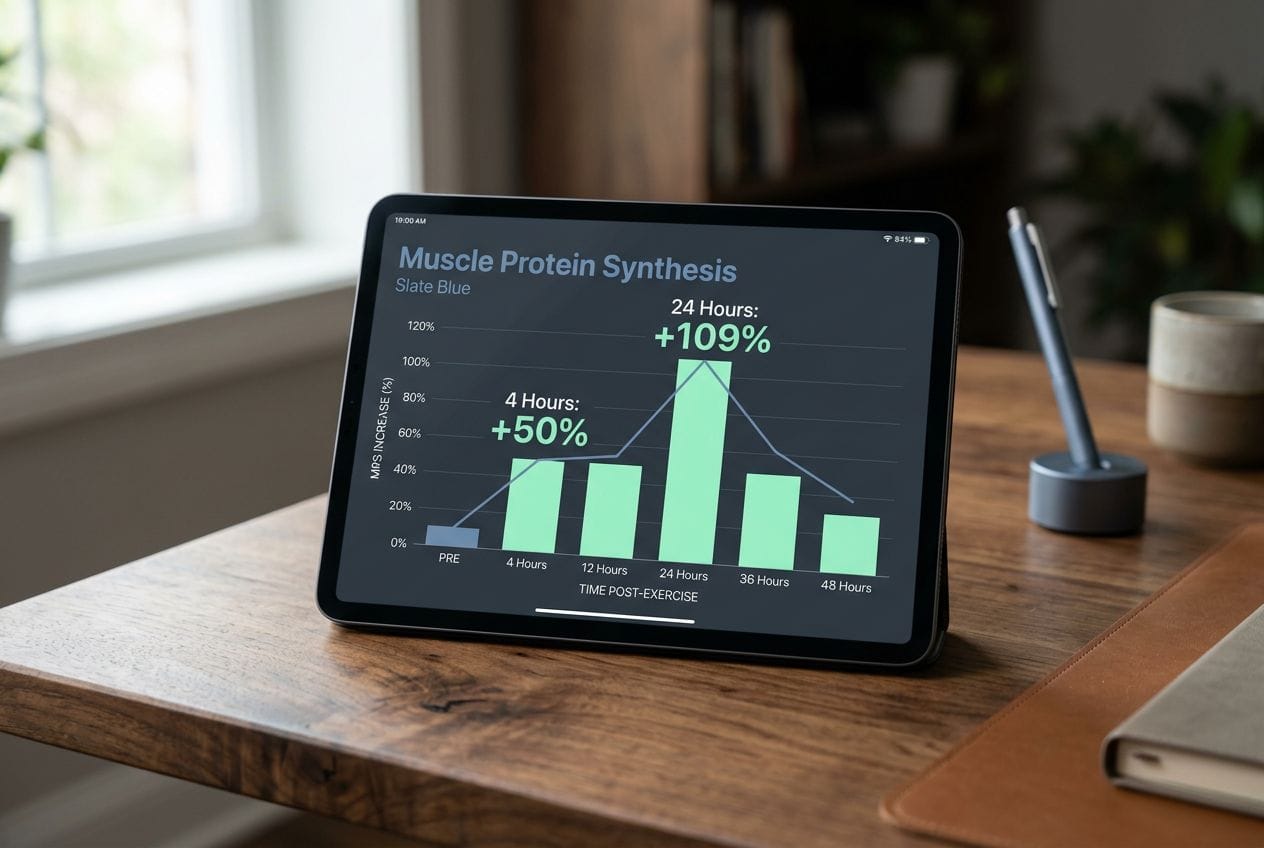
Custom plans work because they match your fitness level and build from there. Generic programs waste time on movements that don't serve your goals.
You'll notice energy improvements within two weeks. Strength gains show up around week four.
Body composition changes become visible in 8-12 weeks when you stay consistent with both movement and simple nutrition.
The key is progressive overload - gradually making exercises slightly harder. Add more reps, hold positions longer, or try harder variations as you get stronger.
Know Where You're Starting
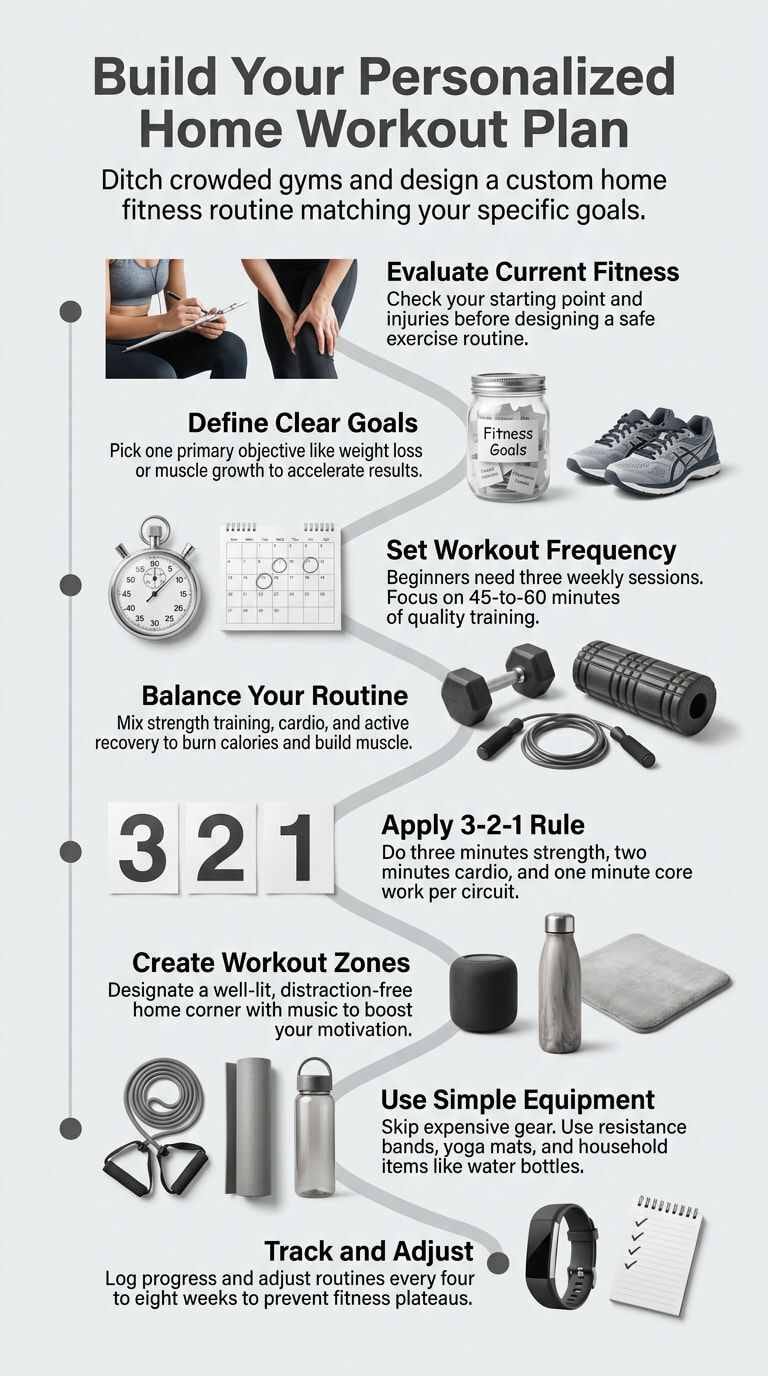
Before building your plan, take an honest look at where you are right now. This isn't about judging yourself - it's about creating a plan that actually works.
Checking Your Current Fitness Level
Start simple. Can you do ten modified push-ups? Walk up stairs without getting winded? Hold a plank for 30 seconds?
Note any injuries or limitations that might affect your routine.
A bad knee means we focus on upper body and core work while that heals. Shoulder issues? We'll emphasize lower body movements and gentle stretching.
Pay attention to recovery signals too. Constant fatigue, aches, or low motivation mean your body needs more rest between sessions.
Pick One Primary Goal

Most people try to tackle everything at once, which slows progress significantly. Pick one main focus first, then add other goals later.
Weight loss? Focus on simple nutrition combined with movement that creates a moderate caloric deficit.
Building strength? Emphasize resistance training with progressive overload. General health? Mix light cardio, basic strength moves, and flexibility work.
I learned this the hard way trying to do everything - cardio, heavy lifting, flexibility training - all at once.
My results were mediocre until I focused on one thing: sustainable weight loss through simple habits.
Building Your Personal Workout Plan
Your workout plan needs structure, but it also needs flexibility. We're building something you can actually stick with long-term.
Start With Three Sessions Per Week
Beginners see great results with three workout days per week. This gives your body time to recover while building consistent habits.
Aim for 20-30 minutes per session initially. Quality beats quantity every time. A focused 25-minute session beats an unfocused hour.
Advanced exercisers can handle four to five sessions weekly, but most busy adults don't need that level to lose weight and build functional strength.
Balance Movement Types and Rest
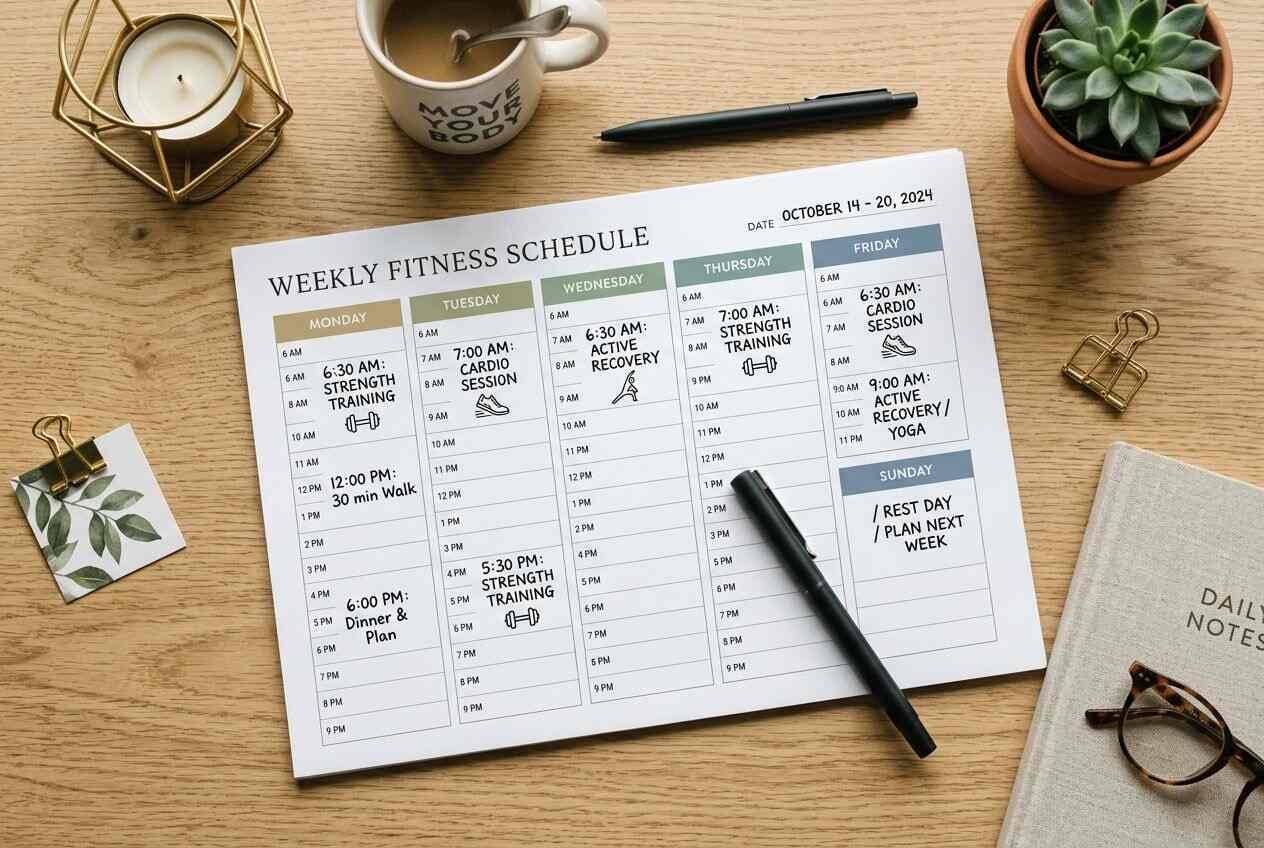
Smart planning prevents burnout while keeping your body progressing. Here's how I structure weekly plans:
1. Schedule strength work 2-3 times per week. Focus on major muscle groups using bodyweight exercises, resistance bands, or basic equipment like my Bullworker.
2. Add cardio on alternate days. This could be walking, rebounding on a mini-trampoline, or simple circuit training. Even 15-20 minutes makes a difference.
3. Use the 3-2-1 rule during circuits. Three minutes of strength moves, two minutes of cardio, one minute of core work. Repeat 2-3 times.
4. Plan active recovery days. Light walking, gentle stretching, or easy movement that keeps you active without stress.
5. Avoid training the same muscle groups on back-to-back days. This prevents overtraining and maximizes recovery.
6. Include stretching twice weekly. Better flexibility means better workouts and reduced injury risk.
7. Watch for overtraining signs: constant fatigue, decreased performance, or dreading workouts. These mean you need more rest or lower intensity.
Sample Home Workout Equipment
You don't need a home gym to get started. Resistance bands, bodyweight exercises, and basic household items work great.
My setup includes a Total Gym for versatile strength training and resistance bands or TRX for portable workouts. But you can start with just your body weight and a yoga mat.
Water bottles work as light weights. A sturdy chair enables step-ups and modified dips. Stairs provide cardio options when the weather keeps you inside.
Staying Consistent (The Real Challenge)
Create Your Workout Space
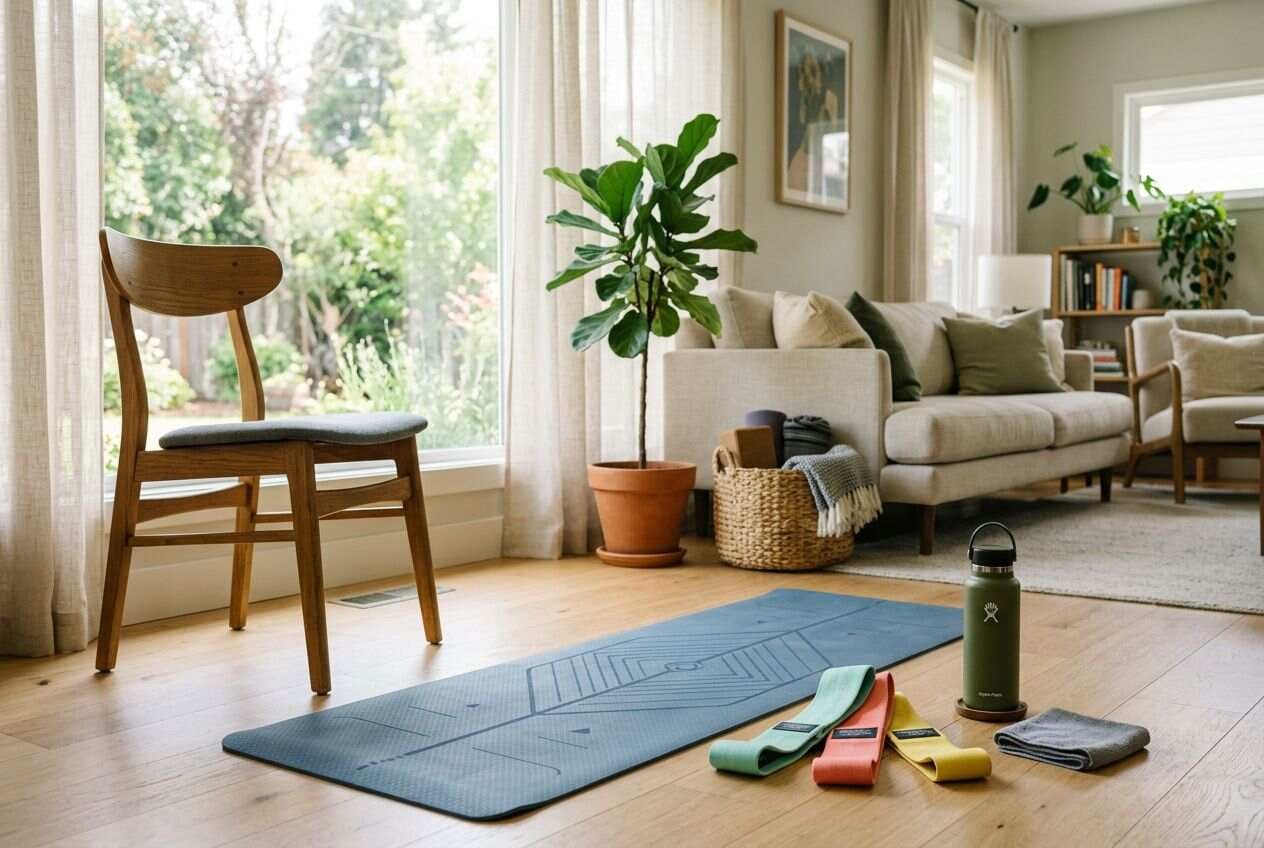
Your environment shapes your success. Pick a corner of any room and make it your fitness zone. Clear the clutter, improve the lighting, and keep basic equipment organized in one spot.
Good lighting makes a massive difference in how you feel during workouts. Open blinds, turn on bright lights, or grab an inexpensive lamp.
Create a playlist that energizes you and remove distractions like your phone.
This consistent setup signals your brain it's time to exercise, making it easier to start each session.
Track progress and make adjustments as needed
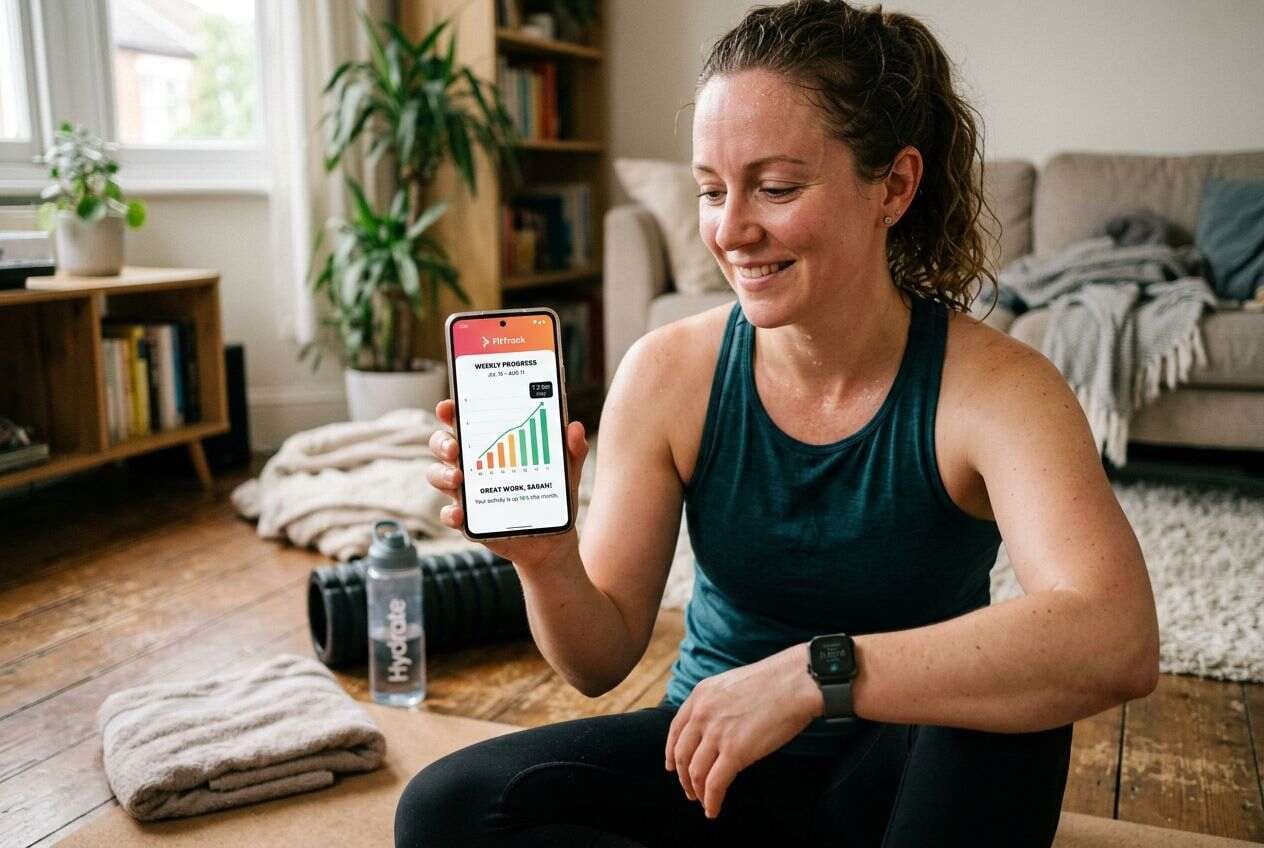
Tracking keeps you motivated and shows what works for your body. I started logging workouts on a simple phone app.
Seeing those numbers climb each week made me excited to keep going.
Track basic metrics: reps completed, how you felt, energy levels, and any improvements in strength or endurance. Celebrate small wins along the way.
Adjust your plan every 4-6 weeks to prevent plateaus. Rotate exercises, increase difficulty slightly, or change the workout structure. Your body adapts quickly, so variety keeps progress steady.
Signs you need changes: boredom, plateau in results, or exercises feeling too easy. Both your body and mind need new challenges to stay engaged.
Simple Nutrition Support
Movement alone won't get you the weight loss results you want. Simple nutrition changes amplify your workout results without complicated meal plans.
Focus on whole foods, proper hydration, and eating enough protein to support muscle recovery. Small, sustainable changes beat extreme diets every time.
Making It Sustainable
Real results come from consistency over months, not intensity over weeks. Start with manageable goals, build gradually, and listen to your body.
Your workout plan should enhance your life, not stress it. Balance is key - health routines that respect family time and self-care actually stick.
Track your wins, adjust when needed, and celebrate every step forward. Creating lasting change happens one workout at a time, right from your living room.
Ready to Take This Further?
If you’ve realized that you don't need a room full of expensive equipment to get in the best shape of your life, you’ve already won half the battle.
The Steps Stack System takes that 'minimalist' philosophy to the next level by turning your existing daily routine into your primary workout
No gym membership.
No 5:00 AM alarm.
No willpower required.
Just a simple, proven system that works on your busiest, laziest days.
👉 Grab the Steps Stack System here and start burning fat today →
Join hundreds of busy people who are already "stacking" their way to a leaner, healthier body — without ever setting foot in a gym.
Frequently Asked Questions
How do I start creating a workout plan at home?
Start by assessing your current fitness level and picking one primary goal. Begin with three sessions per week using basic bodyweight exercises, and build from there based on how your body responds.
What equipment do I need for home workouts?
You can start with just your body weight and a yoga mat. Resistance bands and basic household items like water bottles work great as you progress. Fancy equipment isn't necessary for real results.
How often should I exercise at home?
Three days per week works perfectly for beginners, with rest days between sessions. Listen to your body - it knows when you need recovery time or when you're ready to challenge yourself more.
Can I get the same results working out at home versus a gym?
Absolutely. Home workouts can be just as effective when you focus on consistency and progressive overload. The key is staying committed to simple, sustainable habits that fit your real life.
A Quick Word from Weight Loss with Ken
Just so you know, I'm here to empower you with knowledge, not to replace your doctor. The ideas in this article are for your information and education. Before you make any changes to your health routine—be it diet, exercise, or anything else—please have a chat with your physician or a qualified healthcare professional. Your health is your greatest asset, so let's manage it together with the right team.
Created with ©systeme.io