
How To Build Consistency When You Hate Working Out
You dread the gym, skip workouts, and feel guilty about your lack of workout consistency.
Small, regular exercise sessions provide more health benefits than intense workouts done once in a while.
This guide shows you simple ways to stick with exercise even when you hate it. Ready to make fitness feel less awful?
Why Consistency Matters More Than Intensity
Here's the thing about fitness: small actions done daily beat crushing workouts done once in a while.
Research shows that habit formation takes an average of 66 days for a behavior to become automatic.
This means walking 20 minutes every day will transform your cardiovascular health, weight management, and mood more than sporadic gym sessions that leave you sore for days.
The compound effect kicks in when consistent actions build on each other over time, creating real changes in your physical health and mental well-being.
Intense workouts might feel impressive, but they often lead to burnout and injury.
Walking on a treadmill for 20 minutes daily improves your fitness routine without the dread factor.
Consistent training boosts self-confidence by revealing personal physical capabilities you never knew existed.
Your body adapts better to steady progress than dramatic bursts of activity.
This approach helps integrate fitness into your identity, making exercise a natural part of life rather than a punishment.
Progress-oriented goals work better than perfectionist thinking, focusing on small wins that actually stick around.
Common Obstacles to Staying Consistent
Life gets in the way of your fitness goals more often than you'd like to admit. James Italiano, MD, points out that fitting exercise into a busy lifestyle creates real challenges for most people.
Your packed schedule leaves little room for gym visits, and fatigue from work makes the couch look more appealing than a treadmill.
Busy days pile up, and soon weeks pass without any physical activity.
Perfectionism becomes another roadblock that trips up many beginners.
One missed workout session leads to harsh self-judgment, and that negative self-talk convinces you to abandon fitness goals entirely.
Life disruptions happen to everyone, but the all-or-nothing mindset turns small setbacks into complete failures.
Motivation naturally dips over time, especially during the first few weeks of starting a new routine.
Excessive exercise without proper rest causes fatigue and injuries that derail progress completely.
Unusual tiredness or frequent illness signals that your body needs recovery time, not more intense workouts.
The commitment required to form exercise habits demands significant time and energy adjustments in daily life.
Social media creates unrealistic expectations about fitness progress, making your own journey feel inadequate.
Family medicine experts see patients struggle with chronic conditions like diabetes and arthritis that make traditional workouts feel impossible.
Your personal trainer might push too hard too fast, or group fitness classes might feel intimidating.
Finding activities that match your current fitness level while dealing with real-world obstacles requires patience and flexibility that many beginners haven't developed yet.
Tips for Building Consistency When You Hate Working Out
Building consistency with exercise motivation doesn't have to feel like torture -- you just need the right strategies to make fitness and exercise work for your lifestyle.
These four simple tips will help you create a workout routine that sticks, even if you'd rather binge-watch Netflix than hit Planet Fitness.
From setting tiny goals that feel achievable to finding your perfect cardio match, these methods focus on building habits that last instead of burning you out.
Ready to discover how mini workouts and the right fitness app can transform your relationship with movement?
Start with Small, Realistic Goals
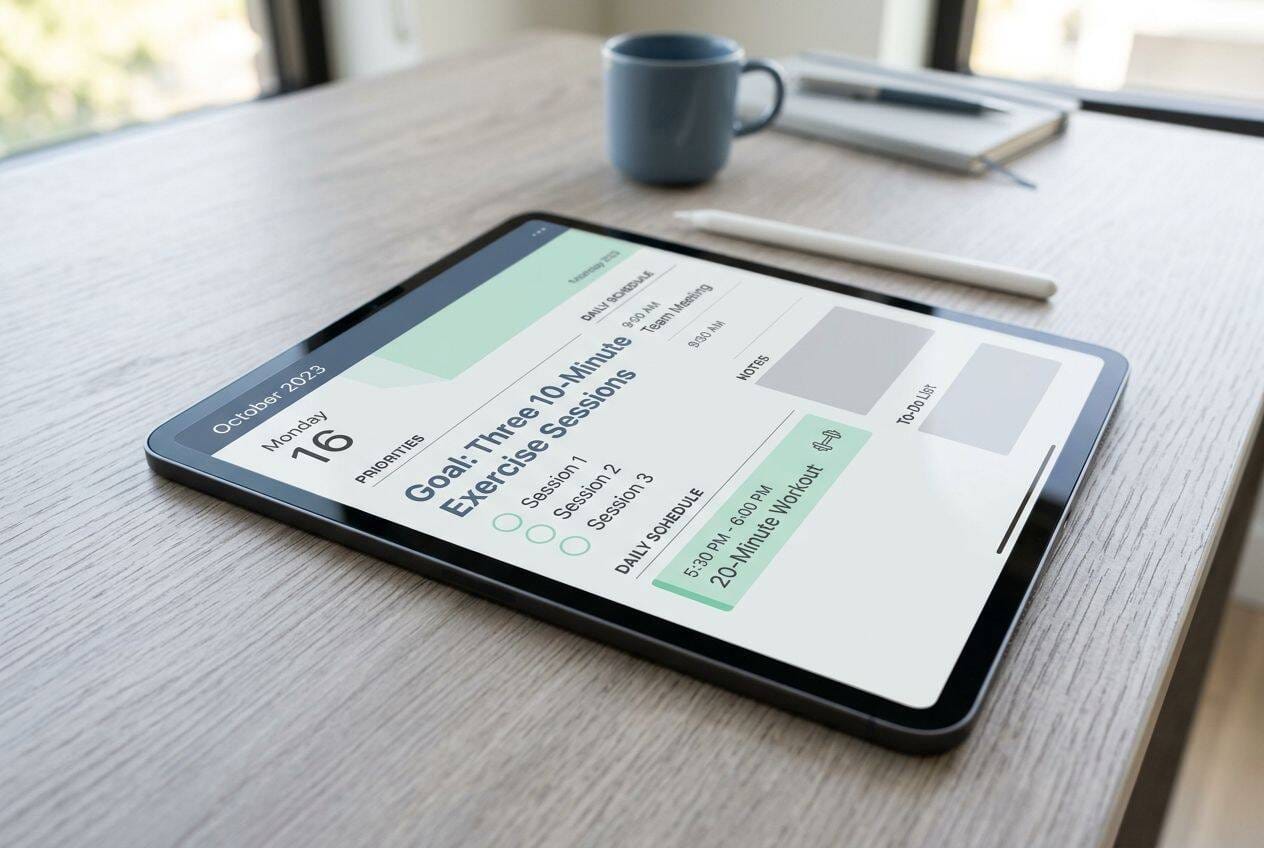
Small changes create lasting habits better than big ones. You can build exercise motivation by setting goals that feel easy to reach.
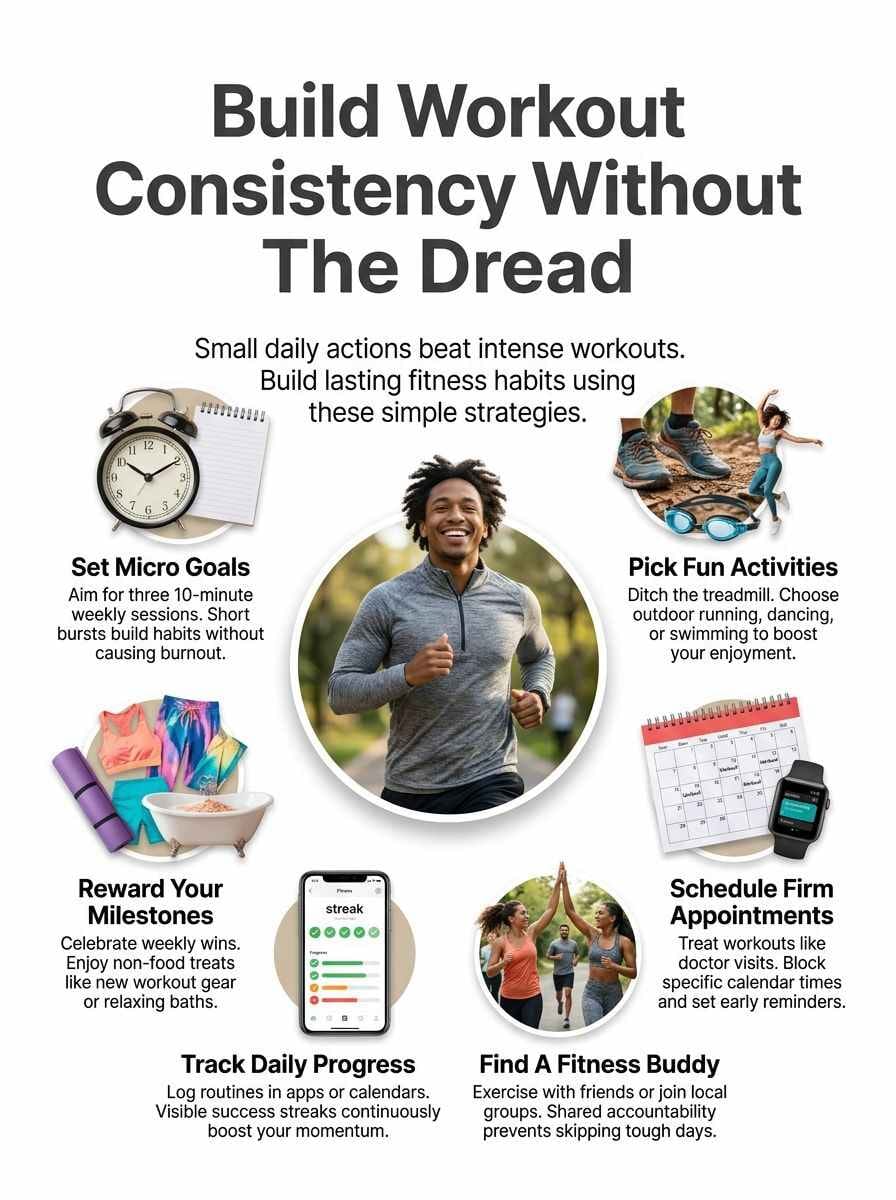
1. Aim for three 10-minute exercise sessions per week instead of hour-long workouts. Research shows these short bursts work just as well as longer sessions for building fitness habits.
2. Choose one type of movement you can do at home like body weight exercises or resistance bands. Start with just two exercises per session to keep things simple.
3. Set a goal to move for 20 minutes total each week. A focused 20-minute workout provides real benefits according to fitness research.
4. Pick three days when you'll do some form of physical activity. Write these days on your calendar like you would any important appointment.
5. Start with activities that don't require special equipment or gym membership. Walking, jogging, or basic strength training work perfectly for beginners.
6. Track one simple metric like how many days you moved this week. Use fitness trackers, the PF app, or just mark an X on your calendar.
7. Focus on functional fitness moves that help with daily tasks. These exercises feel more useful than complicated workout routines.
8. Plan mini workouts during your lunch break or while watching TV. This makes exercise feel less like a chore and more like part of your day.
9. Set a goal to add one serving of vegetables daily with your new exercise habit. Small daily actions compound to improve your health and wellness.
Choose Activities You Enjoy
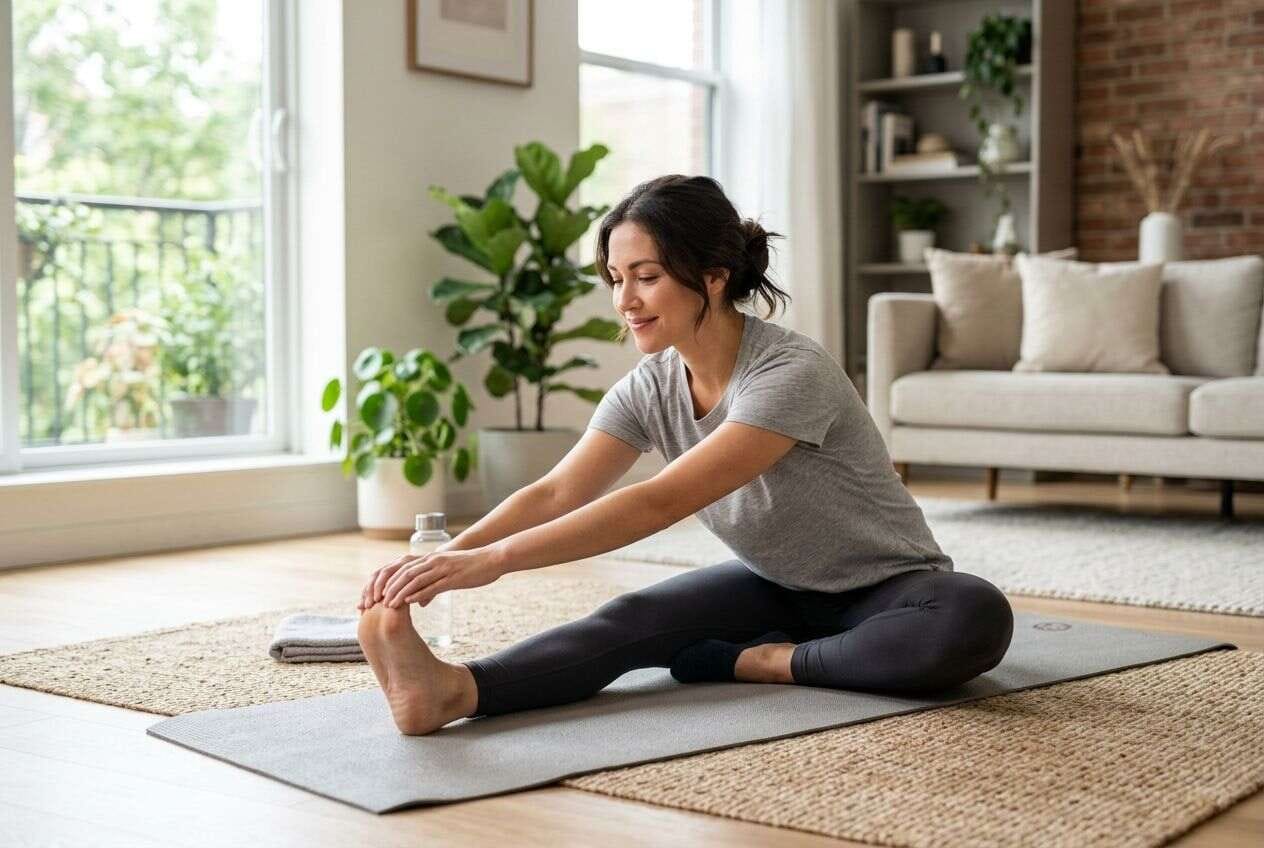
Finding activities you love makes working out feel less like a chore. Your mental health and wellness improve when you pick fun movement options.
1. Try outdoor running at places like La Jolla Cove instead of boring treadmill sessions. Fresh air and scenic views make cardio feel like an adventure rather than punishment.
2. Pick water aerobics over traditional gym classes if you enjoy being in water. This low-impact option builds muscle strength while protecting your joints.
3. Choose dancing, stretching, or group fitness classes that match your personality. Social activities boost accountability while making exercise feel like playtime.
4. Test different cardio options using apps like Apple Fitness+ to find your cardio match. Virtual workouts let you explore various styles from home.
5. Replace swimming laps in pools with swimming in natural settings like lakes or beaches. The change of scenery keeps your interest high and motivation strong.
6. Use a recumbent bike or elliptical trainer if traditional running hurts your body. These machines provide excellent cardiovascular benefits without joint stress.
7. Track enjoyable activities with apps like Strava or MyFitnessPal to see your progress. Seeing improvements in fun activities motivates you to keep going.
8. Join sports leagues or outdoor training groups in your community. Team activities provide built-in workout buddies and make fitness social.
9. Set goals for enjoyable challenges like a half-marathon or local fun run. Having something exciting to train for gives your workouts clear purpose.
Schedule Workouts Like Appointments
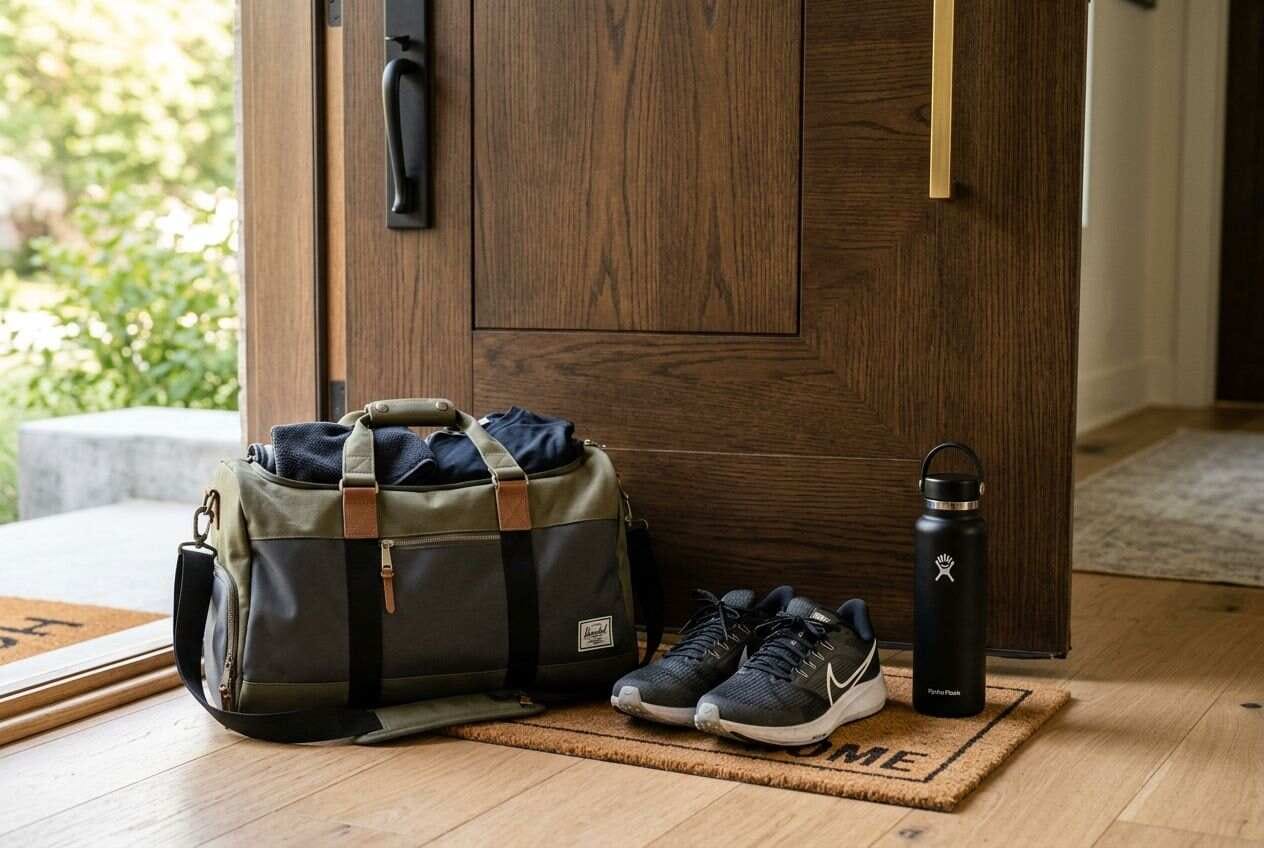
You treat doctor visits and work meetings as non-negotiable commitments. Your fitness routine deserves the same respect and priority in your busy schedule.
1. Open your calendar app right now and block out specific workout times for the next week, just like you would schedule an important meeting with your boss.
2. Set calendar reminders 30 minutes before each planned exercise session to give yourself time to mentally prepare and gather gym clothes.
3. Pack your gym bag the night before and place it by the front door to eliminate morning decision fatigue and excuses.
4. Choose the same workout times each week to create a predictable routine that your body and mind will expect.
5. Tell family members or roommates about your scheduled exercise times so they can respect these boundaries and avoid interrupting.
6. Plan workout sessions during times when you naturally have more energy, whether that's early morning or after work.
7. Put exercise appointments in your phone with specific activity names like "20-minute walk" or "resistance training at home" to make them feel more concrete.
8. Prep healthy snacks and water bottles ahead of time so you're properly fueled for your scheduled movement sessions.
9. Research shows routines take 6 weeks to 6 months to establish, so stick to your calendar appointments even when motivation feels low.
Find a Workout Buddy or Community

Working out alone makes it easy to skip sessions or quit early.
Finding the right workout buddy or community creates accountability that keeps you moving even on tough days.
1. Ask friends, family members, or coworkers if they want to start exercising together regularly. Exercising with a partner increases enjoyment and accountability according to fitness research.
2. Join local fitness classes at community centers, gyms, or studios where you meet the same people each week. Group settings create natural friendships and support systems.
3. Connect with online fitness communities through apps, social media groups, or forums where members share progress and encourage each other. Sharing workouts on social media or with friends increases motivation via feedback.
4. Involve children in activities like dancing or walking for family bonding and fitness time together. Kids make exercise feel more like play than work.
5. Use workout tracking apps that connect you with other users for challenges and support. Many apps let you compete with friends or join team challenges.
6. Find a personal trainer who creates accountability through scheduled sessions and progress tracking. Trainers provide expert guidance and consistent motivation.
7. Look for workplace wellness programs or walking groups that meet during lunch breaks or after work. Coworkers understand your schedule and can provide consistent support.
8. Join recreational sports leagues in your area for activities like softball, volleyball, or tennis. Team sports create natural workout buddies and regular practice schedules.
9. Use smartwatch features that let you share activity goals with friends and family members. Technology makes it easy to stay connected and motivated daily.
How to Stay Motivated Over Time
Building momentum is one thing, but keeping it going... that's where the real challenge kicks in.
You need solid strategies to fuel your drive, especially on those days when your motivation feels completely drained.
Track Your Progress
Tracking your progress creates a sense of accomplishment and helps build your fitness identity.
You can use simple tools like journals, apps, or calendars to celebrate your consistency wins.
1. Download popular fitness apps like MyFitnessPal, Strava, or Apple Fitness+ to log your workouts and see your streak grow over time.
2. Write down how you feel after each workout in a simple notebook, focusing on mood, energy levels, and sleep quality improvements.
3. Mark workout days on your calendar with colorful stickers or checkmarks to create a visual chain of success you won't want to break.
4. Take progress photos every two weeks in the same spot and lighting to see physical changes your eyes might miss day-to-day.
5. Track non-scale victories like walking up stairs without getting winded, carrying groceries easier, or feeling less stressed after movement.
6. Set up weekly check-ins with yourself to review what worked well and what felt challenging during your workouts.
7. Use your phone's built-in health app or a fitness device to monitor steps, heart rate, and active minutes throughout each day.
8. Create a simple rating system from 1-10 for energy and mood before and after workouts to spot positive patterns.
9. Share your progress with friends or post updates on social media to build accountability and celebrate small wins publicly.
Reward Yourself for Milestones
Celebrating your wins keeps you moving forward when workouts feel like a chore. Smart rewards help build positive habits that stick around for months.
1. Set up small celebration points every week, like treating yourself to a favorite coffee after three workout days or buying new socks after completing your first full week of movement.
2. Create non-food rewards that support your health and wellness journey, such as a relaxing bath, new workout playlist, or episode of your favorite show.
3. Track progress with simple marks on a calendar or phone app, then celebrate each milestone with something special that makes you feel good about the effort.
4. Choose rewards that match the size of your achievement, giving yourself bigger treats for monthly goals and smaller ones for weekly wins to maintain motivation.
5. Share your success with friends or family who support your physical function goals, as social recognition boosts your mental mojo and creates accountability.
6. Plan rewards ahead of time so you have something exciting to look forward to, which helps push through days when exercise feels impossible.
7. Focus on progress-oriented goals like "I moved my body three times this week" rather than perfect performance, celebrating the small wins that build long-term habits.
8. Practice self-compassion during setbacks by treating yourself with kindness, just like research from the Journal of Health Psychology shows helps with gradual improvement over time.
Conclusion
Building workout consistency doesn't require loving every minute of exercise. Small steps beat big promises every time.
Your body adapts to regular movement, even when you start with just five minutes daily.
Focus on progress over perfection, and celebrate each workout you complete.
Keep in mind that consistency creates lasting change for your health and wellness, making tomorrow's workout just a little bit easier than today's.
Ready to Take This Further?
If you’re done with the 'no pain, no gain' culture and ready for a smarter, lower-friction approach to fat loss, you’re in the right place.
The Steps Stack System is designed for your worst, laziest days—not just your best ones—so that progress becomes automatic even when motivation is low...
No gym membership.
No 5:00 AM alarm.
No willpower required.
Just a simple, proven system that works on your busiest, laziest days.
👉 Grab the Steps Stack System here and start burning fat today →
Join hundreds of busy people who are already "stacking" their way to a leaner, healthier body — without ever setting foot in a gym.
FAQs
Why do some people hate working out but still need to exercise?
Many people dislike exercise because it feels hard or boring, but the American College of Sports Medicine says regular movement helps your overall health and wellness. Your primary care doctor will tell you that exercise improves metabolic health and helps prevent disease. Even small amounts of activity can make a big difference for your body.
How can I start building exercise habits when I really don't want to work out?
Start with just five minutes of mobility work or walking each day. The CDC says any movement counts toward better health. Focus on personal growth instead of perfect workouts, and remember that consistency beats intensity every time.
What does research say about making exercise a habit when you struggle with motivation?
Stuart Phillips from McMaster University found that small, regular efforts work better than big, sporadic workouts. Medicine & Science in Sports & Exercise shows that building habits takes time and patience. Kaiser Permanente research proves that even people who hate exercise can create lasting routines with the right approach.
Should I focus on muscle growth if I'm just trying to be consistent?
No, focus on showing up first. Hypertrophy and muscle growth will happen naturally as you build your routine. Christopher Hill's work in Topics in Exercise Science and Kinesiology shows that consistency creates better long-term results than chasing quick gains.
Where can I find reliable information about starting an exercise routine I can actually stick to?
Check resources like Healthline, CDC.gov, and wellness programs at places like Scripps Coastal Medical Center Oceanside. The Kirk Kerkorian School of Medicine at the University of Nevada, Las Vegas also provides great guidance on building sustainable fitness habits. Talk to experts like Denice Ichinoe who understand that Big Fitness Energy™ isn't about perfection, it's about progress.
A Quick Word from Weight Loss with Ken
Just so you know, I'm here to empower you with knowledge, not to replace your doctor. The ideas in this article are for your information and education. Before you make any changes to your health routine—be it diet, exercise, or anything else—please have a chat with your physician or a qualified healthcare professional. Your health is your greatest asset, so let's manage it together with the right team.
Created with ©systeme.io