How To Lose Weight Without Going To The Gym
You looked at gym prices and thought, " There has to be a better way." There is.
You don't need a membership, a locker room, or a trainer watching over your shoulder to lose real weight.
Most of the people I coach never set foot in a gym, and they still see results.
What actually works is simpler than the fitness industry wants you to believe.
Eating more of the right foods. Moving in ways that feel manageable. Building habits that fit your real life, not some idealized version of it.
That's what this article is about.
Before I Get Into It - Here's My Story
A few years back, I was coming off a long overnight shift at the plant. Tired. Running on bad sleep and whatever was in the breakroom.
My clothes were getting tighter, and I kept telling myself I'd get back on track when things slowed down.
Things never slowed down. I wasn't going to the gym either.
After an 8-hour shift, the last thing I wanted was to drive somewhere, change clothes, and perform in front of strangers.
So I stopped waiting for that moment and started doing something small at home instead.
I walked on my portable treadmill during downtime. Swapped late-night snacking for something with more protein. Drank water before meals instead of grabbing something sugary.
It was nothing dramatic. Nothing that took more than 15 or 20 minutes at a time.
Eight weeks later, my pants fit better. My energy was noticeably different. And I hadn't stepped inside a gym once.
That's when it clicked: for most people, the gym isn't the missing piece. The habits are.
What You Eat Is Doing Most of the Work
You can move every day and still not see results if your meals are working against you.
Food carries more weight in this process than most people give it credit for. Let's start there.
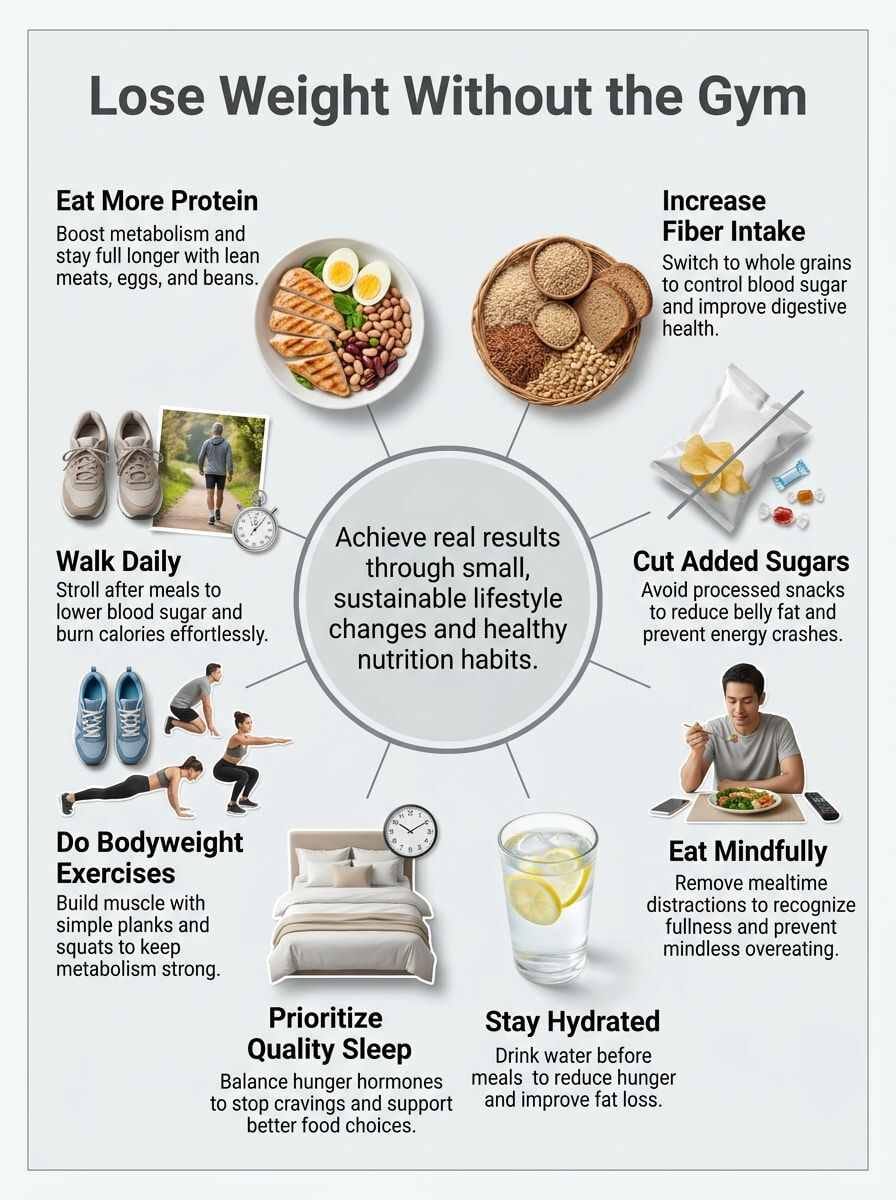
Eat More Protein
Protein is probably the most underused tool for people trying to lose weight at home.
It keeps you full longer, which means fewer snacks between meals without having to white-knuckle through every craving.
Eggs, chicken, beans, yogurt, fish, and nuts are your go-to options. They're not expensive. They're not complicated. They just work.
Your body also burns more energy digesting protein than it does processing carbs or fat.
So you get a quiet metabolism boost just from eating it. That adds up over time.
Here's a simple swap to start: replace your morning cereal or pastry with scrambled eggs or Greek yogurt. One meal. One change. That's enough for now.
Going plant-based?
Quinoa, chia seeds, soy, and hemp seeds all give your body the full range of amino acids it needs to stay strong.
Here's one breakfast worth trying:
Mix 1 cup of milk with 3 tablespoons of chia seeds, 1 teaspoon of cinnamon, and 1 teaspoon of vanilla extract. Simmer about 3-5 minutes.
It holds you through the morning without thinking about snacking.
Research backs this up.
A 12-week observation of 28 adults who swapped one carb-heavy breakfast for a 25-gram protein option, without changing anything else, showed an average weight loss of 5.1 pounds.
Their daily calorie intake dropped by about 220 on average. And they weren't even counting.
One meal swap. That kind of result. Let that sink in.
Add More Fiber
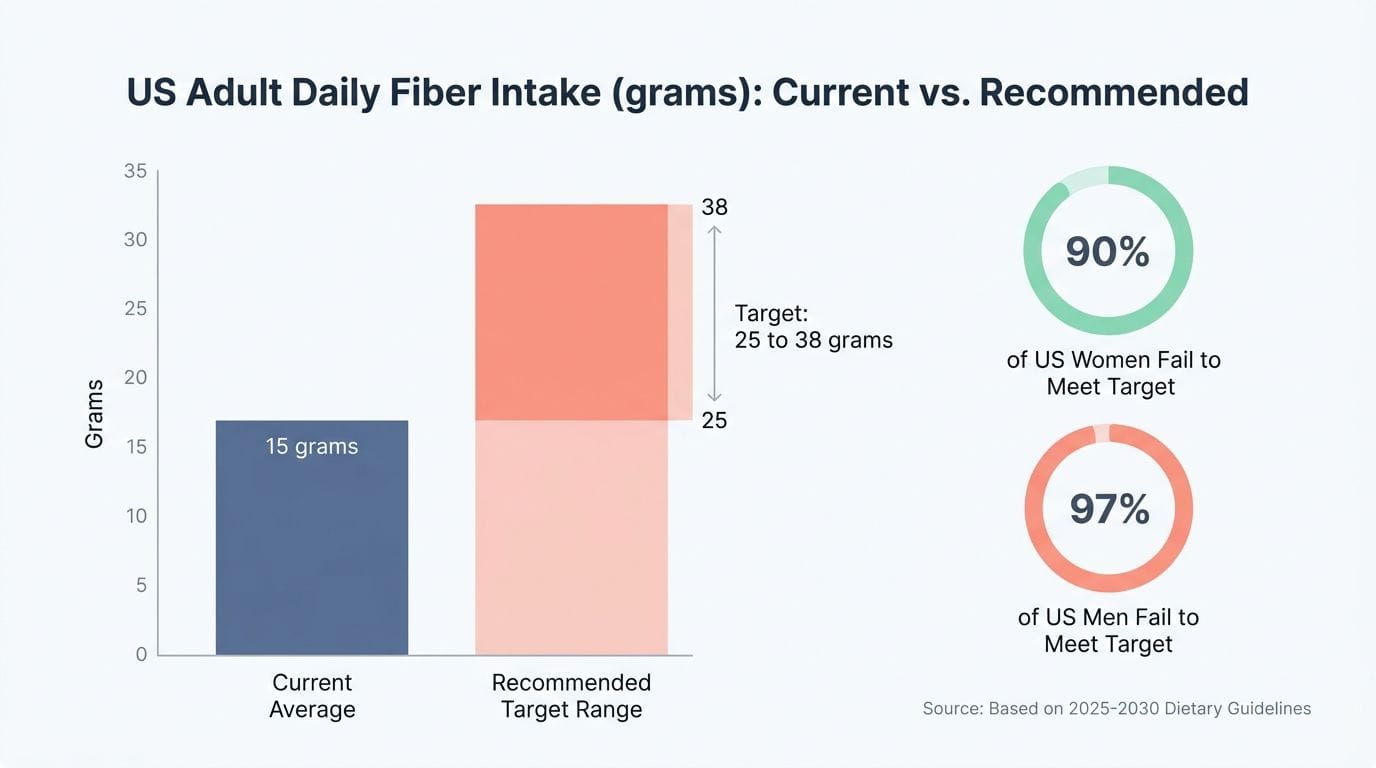
More than 90% of women and 97% of men in the US aren't getting enough fiber daily. Most adults average around 15 grams. The recommendation is 25 to 38.
That gap matters. Fiber slows down how fast your body absorbs food and keeps your digestive system running consistently throughout the day.
You don't need a supplement for this. A few small swaps can handle it:
Switch white bread, pasta, and rice to wholegrain versions
Keep the skin on your potatoes
Add beans or lentils to a few meals each week
Spread hummus on wholegrain crackers instead of chips
Toss seeds or nuts into your yogurt or oatmeal
One swap per meal this week. That's plenty to start feeling the difference.
Cut the Added Sugar and Processed Food
This one matters more than most people want to admit.
Added sugars hide in places you wouldn't expect. It's in granola bars, flavored yogurts, sauces, and packaged snacks.
That granola bar you thought was a healthy choice? It might have as much sugar as a candy bar.
Recent CDC data shows a standard 12-ounce soda has about 155 calories and 10 teaspoons of sugar.
Swap one per day for water or green tea, and you cut over 1,000 empty calories a week. One swap. No gym required.
Ultra-processed foods spike your blood sugar fast, then drop it just as fast, leaving you hungry again within the hour.
That cycle is what makes weight loss feel impossible. It's not a willpower problem. It's a blood sugar problem.
But what about fruit? I was told it's like eating candy bars.
Not true. Whole fruits are fine. The fiber in fruit slows sugar absorption, which makes it a completely different situation than soda or candy.
If you want a satisfying treat that still supports your goals, try this:
Mix 1/4 cup of coconut oil, 3/4 cups of oats, 1/3 cup of flaked almonds, 1/4 cup of sunflower seeds, 1/2 cup of wholemeal flour, 1 teaspoon cinnamon, and 4 dates.
Top with cups of frozen mixed berries and bake at 350°F for 25 minutes.
Real food. Real flavor.
Small Lifestyle Shifts That Actually Matter
You don’t need a gym to lose weight. Just move more during your day, like taking short walks or using the stairs.
Get good sleep, eat slower, and cut back on sugary drinks.
Small changes like these work way better than killing yourself at the gym.
Slow Down When You Eat
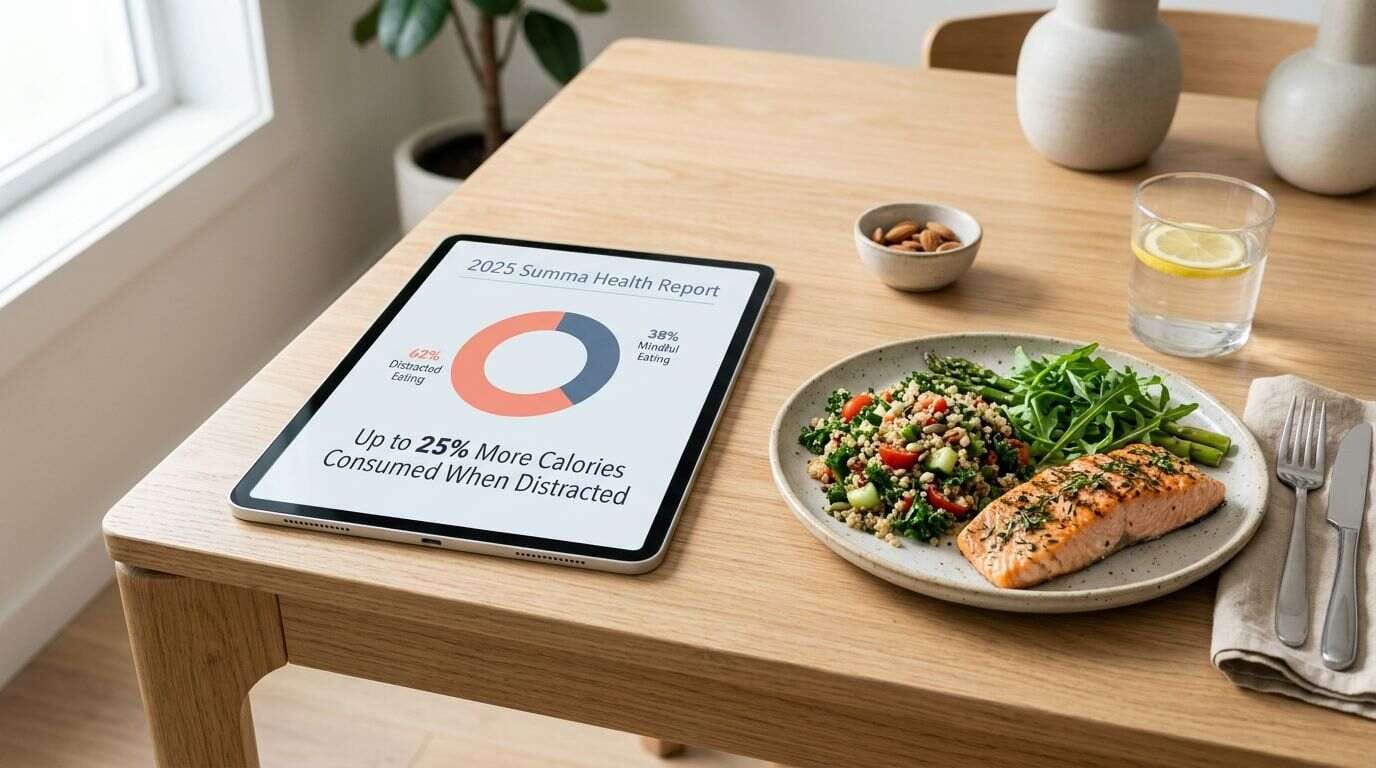
Eating while watching TV or scrolling your phone can add up to 25% more calories per meal. That's not a small number.
Your brain takes about 20 minutes to register that you're full.
When you're eating fast and distracted, you blow right past that signal before your body even gets a chance to catch up.
Put the phone down for one meal today. That's the whole ask right now.
A few other small things that help:
Keep fruit visible on the counter instead of buried in a drawer
Use smaller plates at dinner
Don't grocery shop when you're hungry
Plan your meals for the week so you're not making stressed-out decisions at 6pm
This isn't about perfection. It's about awareness.
When you pay attention to what you're eating, you naturally eat less of the stuff that isn't serving you.
Drink More Water and Try Green Tea
Most people confuse thirst for hunger. A signal goes off, they reach for food, and it wasn't food they needed at all.
Drinking about 17 ounces of water roughly 30 minutes before a meal naturally reduces hunger and helps you eat a bit less without forcing it.
Plain water. No supplements. No tricks.
Swap one sugary drink per day for water, and you're already ahead.
Green tea is worth adding too. The natural compounds in it, called catechins, help your body burn fat more efficiently, especially around your midsection.
A 12-week study on overweight adults who drank catechin-rich green tea showed real visceral fat loss compared to those who didn't.
Not a green tea fan? Try this:
Cook 1/2 cup of oats in 1 cup + 1 tbsp (250 ml) of water, then stir in 1 teaspoon matcha powder, a small mashed banana, a handful of blueberries, 2 teaspoons of honey, and a pinch of salt.
Solid breakfast. Does double duty.
Ginger tea is another option. It's easy on your stomach and good for digestion if green tea isn't your thing.
Get Serious About Sleep
Poor sleep is one of the quietest reasons weight loss stalls, and most people never make the connection.
When you're not getting enough sleep, your body increases ghrelin, the hormone that signals hunger, and decreases leptin, the hormone that tells your brain you're full.
When this happens, you start the day already fighting your own biology before breakfast.
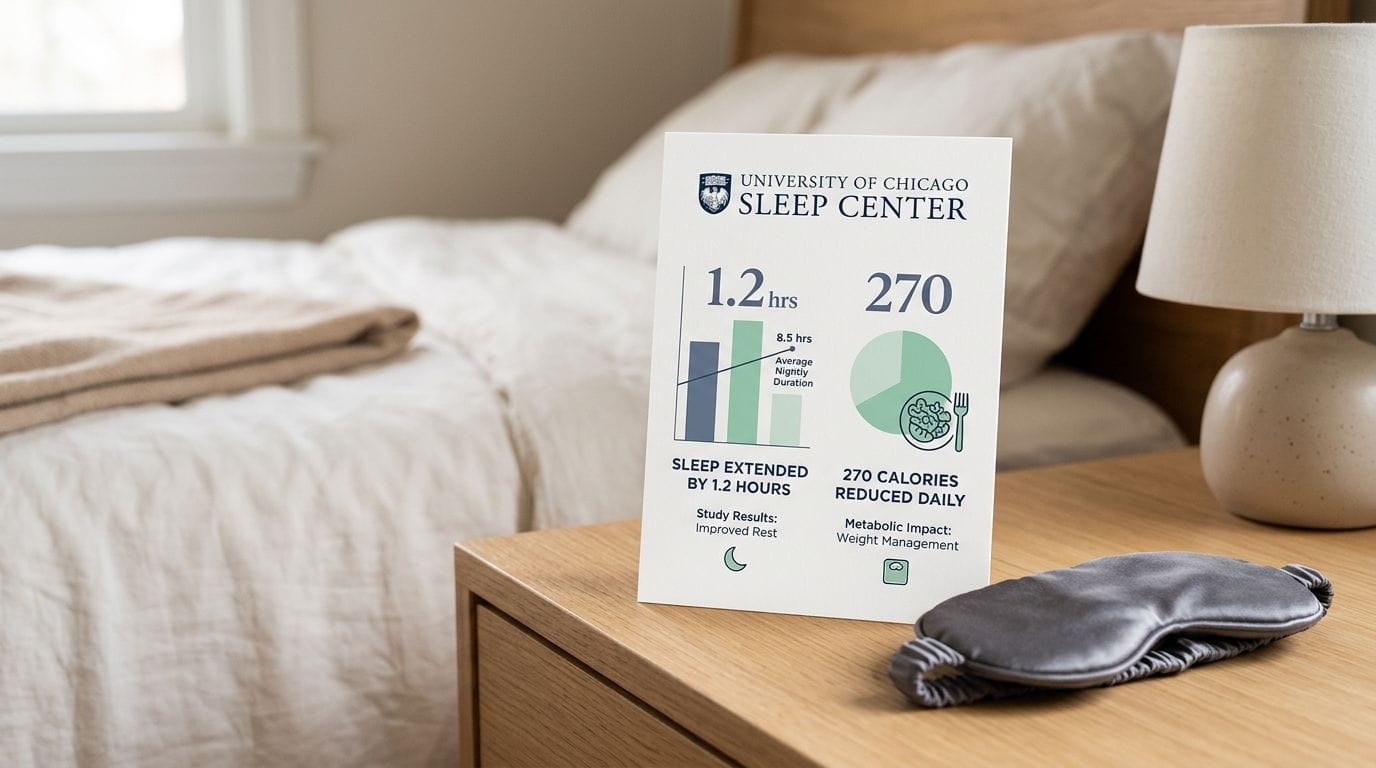
A clinical trial from the University of Chicago found that overweight adults who extended their sleep by just 1.2 hours per night naturally cut about 270 calories per day with no conscious changes to their diet.
That came from sleep alone.
Better sleep also sharpens your decision-making. And when your decisions improve, everything else gets easier.
For example, what you eat, whether you move, and how you handle the day.
Don't sleep on sleep. It's doing more work for you than you realize.
Move Your Body at Home
Listen up: You don't need a gym. You need movement. There's a difference.
Your brain loves small wins, so start with a two-minute walk after every meal; that's a win your mind can't ignore.
See, when you move often, your body burns calories all day long, not just during one painful workout.
That little trick tricks your brain into sticking with it.
Bodyweight Exercises Work Better Than Most People Think
Planks and squats. That's a real starting point. No equipment. No membership. No commute.
Here's the basic setup:
Planks: Hold your body straight for 20 to 30 seconds, rest, and repeat 3 times. Builds core strength and supports your metabolism.
Squats: Lower yourself like you're sitting into a chair, then push back up. 10 to 15 reps per set.
Do these a few times a week to start. You don't need to do them every day. Consistent and manageable beats intense and short-lived every single time.
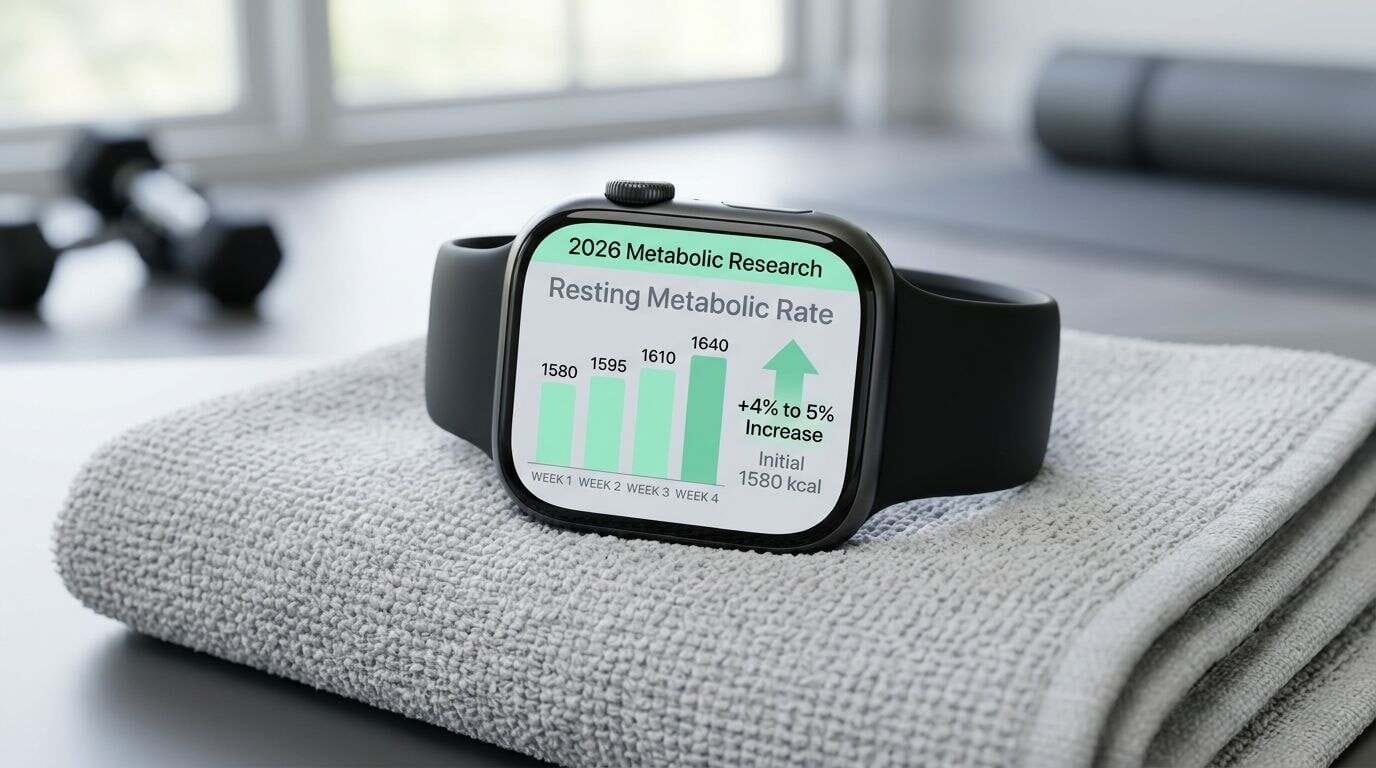
Research shows that consistent bodyweight training can raise your resting metabolic rate by about 4 to 5 percent.
Your body keeps burning extra calories even while you're sitting still. It's not a massive number on its own, but over weeks and months, it adds up.
Track your reps and sets each week.
Watching those numbers climb is one of the best feelings, and you earned it without a single piece of gym equipment.
Walking Is One of the Best Tools You Have
I won't oversell this. Walking works.
A 10 to 20-minute walk after meals helps your body process what you just ate more efficiently and burns calories without wiping you out.
You can do it in your neighborhood, around a parking lot, or on a treadmill at home.
I use a portable treadmill, which fits my schedule without me having to plan around it.
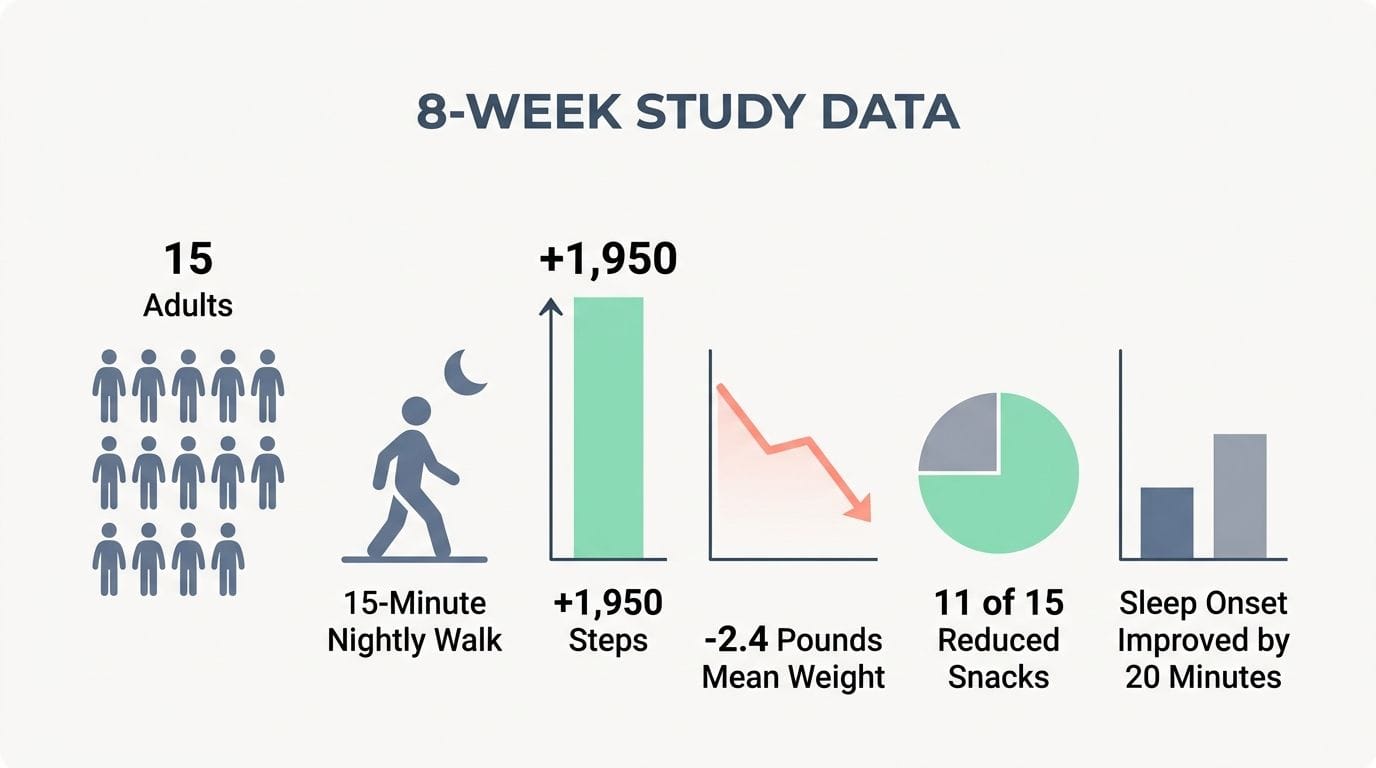
I heard of one neighborhood group of 15 adults that added a 15-minute walk after dinner five nights a week.
Nothing else changed. Over 8 weeks, they averaged 2.4 pounds lost.
Eleven of them reported fewer late-night snacks. Nine fell asleep faster.
No gym. No program. Just a short, consistent walk after dinner.
Start with 10 minutes tomorrow, after a meal. Build from there.
Handle Stress Before It Handles You
Stress is one of the quietest reasons people can't lose weight.
It messes with your hormones, disrupts your sleep, and pulls you toward the kitchen when you're not even hungry.
Try Stretching or Relaxation
You don't need a studio or any special gear for this.
Ten minutes of gentle stretching or relaxation in your living room in the morning is enough to change the tone of your whole day.
Free videos online make it easy to get started.
Child's pose, cat-cow, and other basic stretches release tension built up by long days, poor sleep, and pressure that never fully lets up.
A simple session, of even 5 minutes of quiet breathing before a meal, helps you notice when stress is pushing you toward food instead of actual hunger.
That awareness alone changes things. Try pairing this with your bodyweight routine.
A short stretch or a few minutes of breathing before your plank and squat sets up both your mind and your body at the same time.
Break the Emotional Eating Cycle

When stress finds its way in, a lot of people head straight for the kitchen. Not because they're hungry, but because food feels like a quick fix in the moment.
That pattern breaks progress fast.
So, the first step is recognizing your triggers. Are you eating because your stomach is empty? Or because you're tired, anxious, or bored?
Most people have never actually stopped to ask.
Writing down what you're feeling before you reach for food slows you down just enough to make a different choice.
Here's what actually helps when the urge hits:
Take a 10-minute walk instead of opening the fridge
Call or text someone you trust
Drink a glass of water and wait 5 minutes before deciding if you're actually hungry
Write down what you're feeling before you eat
Meal planning helps here too.
When you already know what you're eating next, stress gets fewer chances to make the decision for you.
Wrapping Up
You don't need a gym to lose weight. You need a few good habits that actually fit your real life.
Pick one thing from this article. Try it this week. Then add another the week after. That's how this starts, not all at once, not perfectly. Just consistently.
If you want help putting it all together, reach out to me, and I'll get you started on a simple plan built around your schedule. No pressure. Just reach out.
Ready to Take This Further?
If this article showed you that the world is your gym, you’re already thinking differently than 95% of people out there.
But knowing it is one thing—having a system to execute it is another.
The Step Stack System is the exact framework I use with my readers to turn everyday "dead time" — waiting for coffee, walking to the car, pacing during a phone call — into a powerful fat-burning routine.
No gym membership.
No 5:00 AM alarm.
No willpower required.
Just a simple, proven system that works on your busiest, laziest days.
👉 Grab the Step Stack System here and start burning fat today →
Join hundreds of busy people who are already "stacking" their way to a leaner, healthier body — without ever setting foot in a gym.
FAQs
Can you really lose weight without going to the gym?
Yes. Walking, bodyweight exercises, better eating, and consistent daily movement all count. Home-based workouts can match gym sessions in results when done regularly — the key word being regularly.
What should I eat to lose weight without exercising?
Start simple. More protein, more fiber, less added sugar, fewer processed foods. Cutting back on alcohol helps too — it adds empty calories and quietly disrupts your sleep.
Are there tools or apps to help me stay on track?
A simple notebook works just as well as any app. Track what you eat, how you feel, and what you did each day. Habit tracking doesn't have to be complicated to be effective.
Can my genetics affect how I lose weight?
Yes, to a degree. Your body may respond differently to certain foods or types of movement than someone else's. Which is part of why a personalized approach tends to work better than a one-size-fits-all program.
Do I need a doctor's help to lose weight at home?
If you have type 2 diabetes, high blood pressure, or other health concerns, check in with your doctor before making major changes. Once you have clearance, a health coach can help you build a plan that fits your real life.
A Quick Word from Weight Loss with Ken
Just so you know, I'm here to empower you with knowledge, not to replace your doctor. The ideas in this article are for your information and education. Before you make any changes to your health routine—be it diet, exercise, or anything else—please have a chat with your physician or a qualified healthcare professional. Your health is your greatest asset, so let's manage it together with the right team.
Created with ©systeme.io