
Mindful Eating for Busy People: Lose Weight Without Dieting
Tired of strict diets that never work? Too busy for the gym? I get it. Mindful eating helps you lose weight without counting every calorie or cutting out foods you actually enjoy.
This simple approach teaches you to listen to your body's hunger signals and eat without guilt. Ready to change how you think about food for good?
What Is Mindful Eating?
Mindful eating means paying attention while you eat. That's it. No fancy rules or complicated plans.
Most of us eat while watching TV, scrolling our phones, or working at our desks. Sound familiar? Mindful eating asks you to slow down and notice what's happening during meals.
Here's what makes it different: instead of following someone else's diet rules, you learn to recognize when you're actually hungry versus when you're eating because you're stressed, bored, or tired.
This approach looks at eating as something influenced by how you feel, your environment, and your daily routine. Makes sense, right?
Mindful eating focuses on internal cues rather than external diet rules. You don't count calories or avoid entire food groups.
You just pay attention to hunger signals, fullness cues, and what triggers you to eat when you're not really hungry.
This works great for busy people because it doesn't require gym time or complicated meal prep. You can start right at home with whatever food you already have.
Benefits of Mindful Eating
Ever eat an entire bag of chips without even tasting them? Mindful eating changes that pattern.
This simple practice helps you build a better relationship with food, reduce emotional eating, and improve how you recognize hunger signals—all without strict diet rules.
Reduces Negative Self-Talk
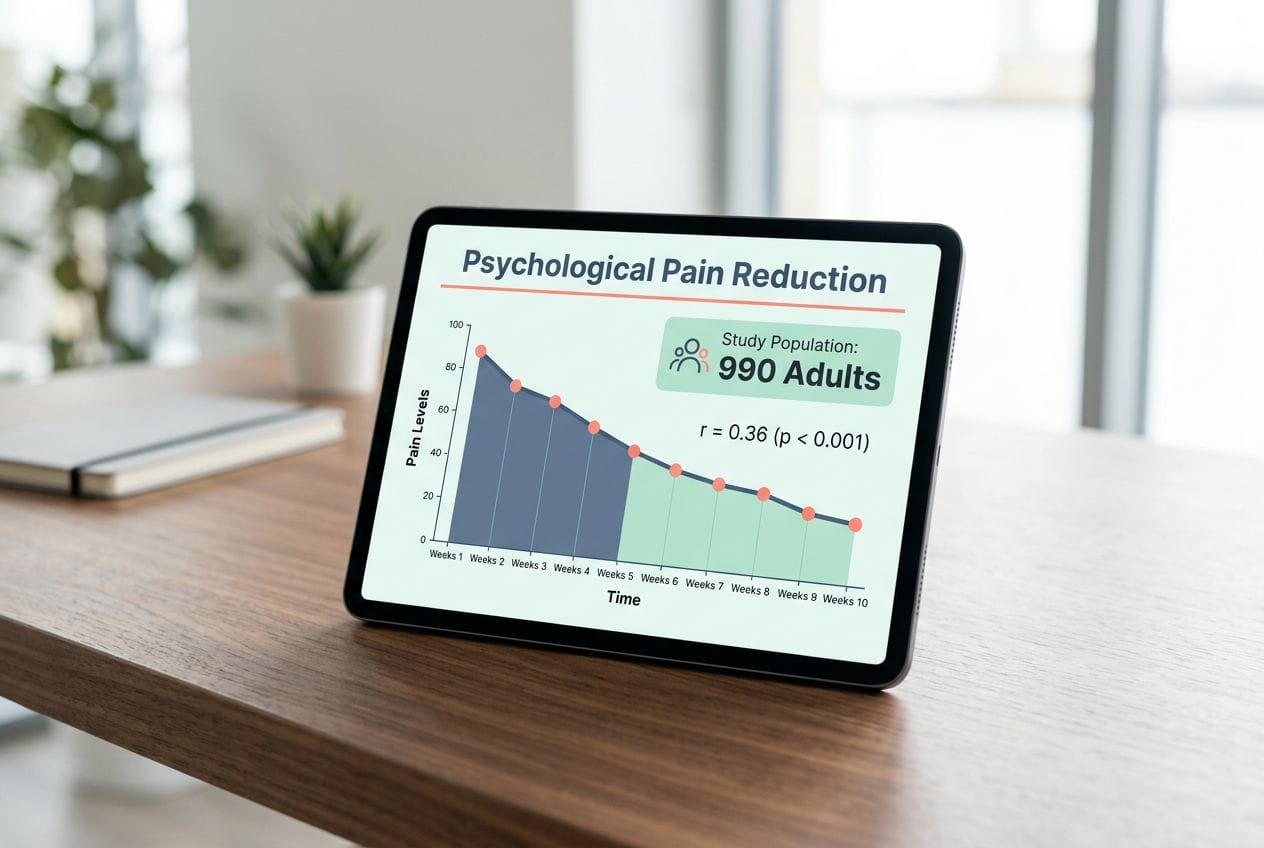
Mindful eating works like having a supportive friend in your head instead of a harsh critic.
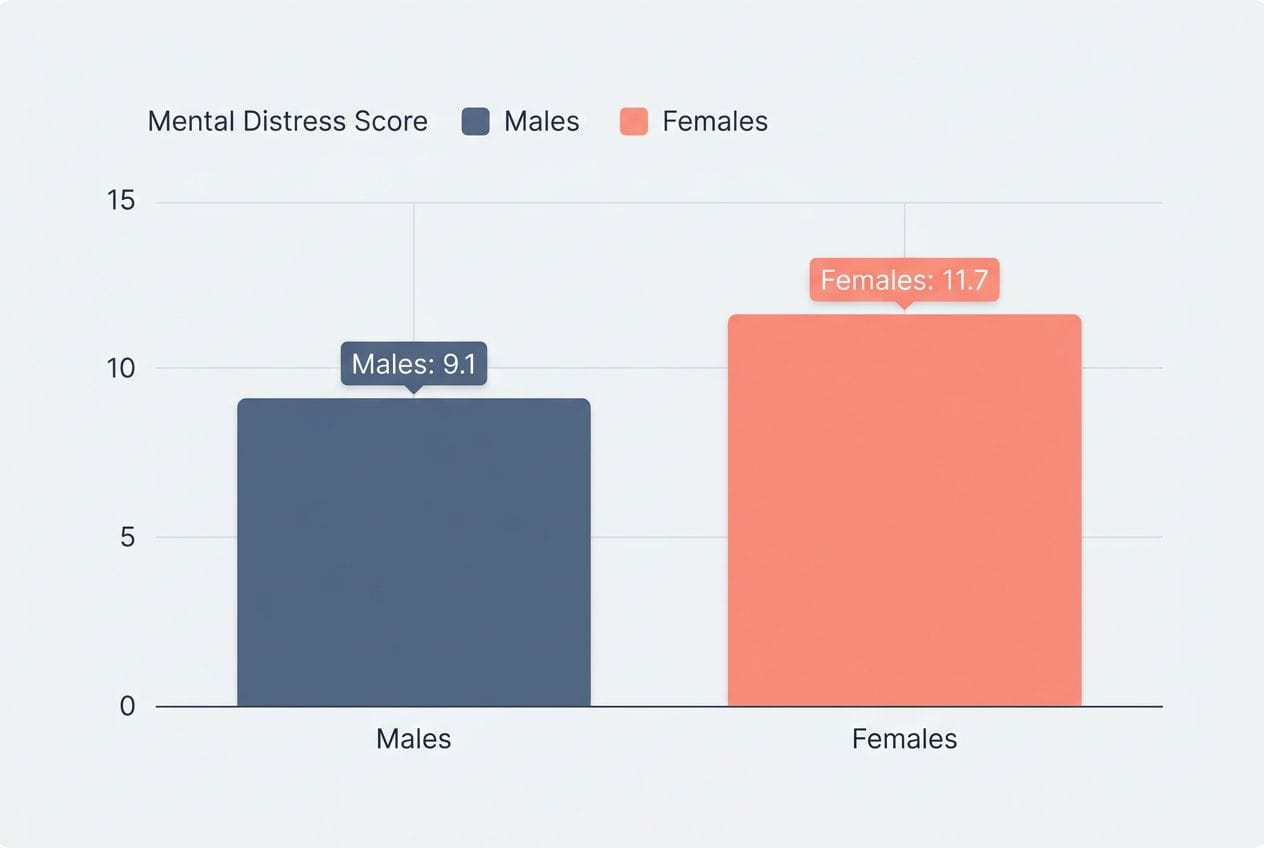
Research with 990 adults found that people who eat mindfully experience less mental distress.
The connection between mindful eating and reduced psychological stress is strong. Your harsh thoughts about food choices start to fade away.
Your brain stops the mean comments about what goes on your plate.
Studies show mindful eating cuts down negative self-judgments around food. An 8-week program proved this approach improves how you feel about your body and makes life better overall.
People with a history of chronic dieting or body image struggles see the biggest changes.
The practice helps you talk to yourself with more kindness, especially during those tough moments when you grab a snack after a long work day.
Your thoughts become your ally instead of your critic.
Improves Hunger and Fullness Awareness
Your body sends clear signals about hunger and fullness, but most people miss these cues completely.
Research shows that people who tune into their internal hunger and satiety signals experience less stress and make healthier food choices naturally.
Learning to recognize true physical hunger versus emotional eating becomes much easier with practice.
Studies involving 990 participants found that people who rely on hunger and satiety cues show significantly lower rates of anxiety and depression.
Your body knows exactly how much food it needs—you just need to slow down and listen to what it's telling you about fullness and satisfaction.
Helps Prevent Binge Eating
Mindful eating acts as a shield against binge eating episodes. Research shows that people who practice mindful eating techniques experience significant drops in binge eating behaviors.
A study of 990 adults found that mindfulness-based approaches cut down binge eating frequency dramatically.
The 8-week mindful eating programs proved especially effective, helping participants break free from destructive eating patterns that often sabotage weight loss efforts.
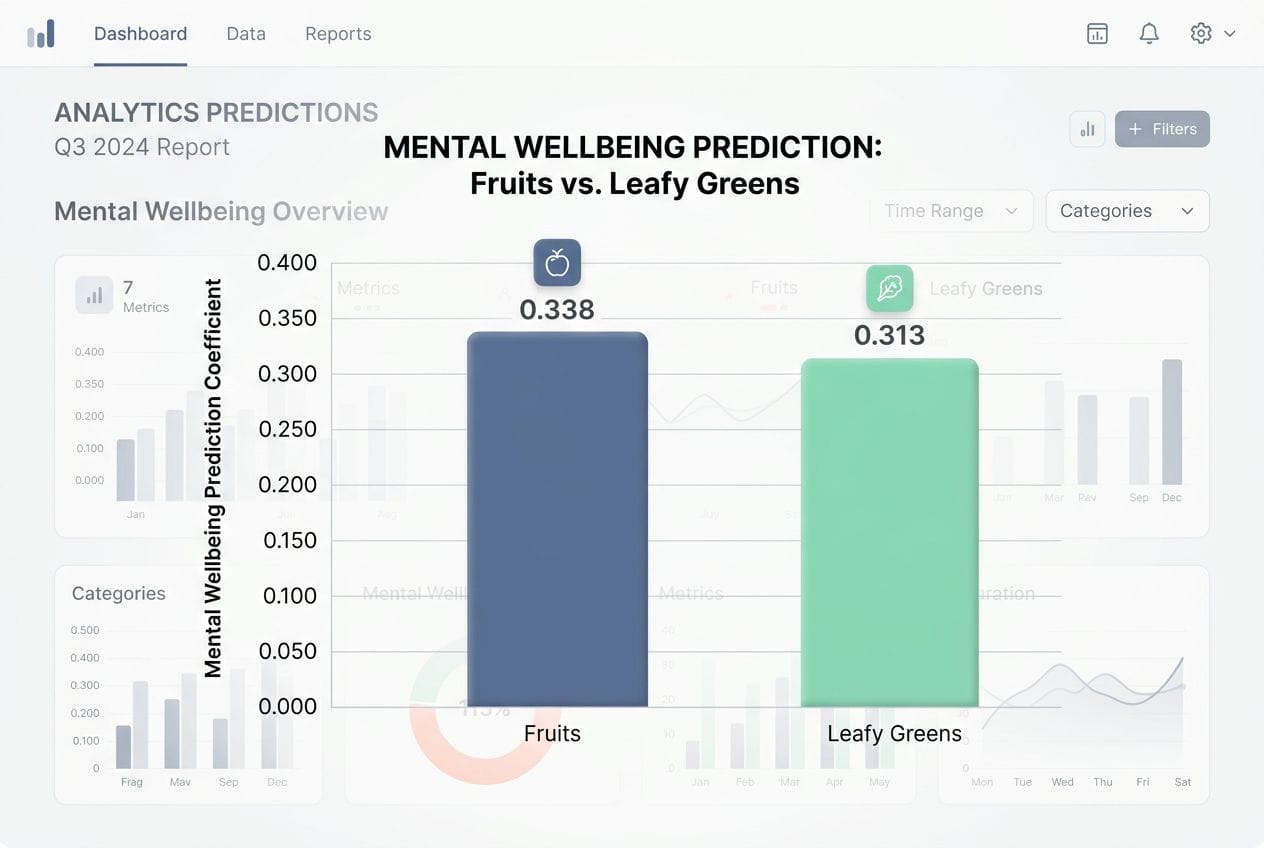
Dark green leafy vegetables and fruits become your strongest allies in this battle.
These foods scored the highest for supporting mental wellbeing, with fruits and leafy greens leading the pack.
The connection runs deep: better mental health means fewer stress-triggered binges.
Regular breakfast, dairy products, nuts, and those leafy greens support your mental state naturally.
This creates a protective barrier against the emotions and stress that usually drive you toward the kitchen at midnight, searching for comfort in food.
Enhances Physical and Mental Health
Your body gets real benefits from eating with awareness. Blood sugar control improves, especially if you have type 2 diabetes.
Research shows this approach helps your glucose levels stay steady throughout the day.
Your blood pressure and cholesterol numbers can improve too. These changes happen because you pay attention to what and how much you eat.
How to Practice Mindful Eating
You can start practicing mindful eating today with simple changes that fit your busy life.
These techniques help you lose weight without dieting by making you more aware of your food choices and eating habits.
Minimize Distractions While Eating

Your phone buzzes during lunch. The TV plays in the background. Work emails pile up on your laptop screen.
These distractions pull your mind away from your meal, making weight loss much harder.
Research shows that minimizing distractions boosts the effectiveness of mindful eating. Start small by focusing on one meal or snack daily without screens.
Try this: Turn off your television, put your phone in another room, and close your laptop for just one meal per day.
This simple change helps you recognize hunger and fullness cues better.
Gradually increase mindful eating occasions as the habit becomes more comfortable for your busy lifestyle.
Slow Down and Savor Each Bite
You can lose weight by simply putting your fork down between bites. Dietitians suggest this practical technique to slow down eating.
Try eating with your non-dominant hand too—this simple trick forces you to eat more slowly and pay attention to each bite.
Chew thoroughly and notice the food's flavor and texture. Take intentional pauses during meals, like checking in with yourself at the beginning, middle, and end of eating.
Slower eating links to better digestion and increased satisfaction with meals.
These habits help build awareness of fullness and prevent overeating - which matters most for busy people who tend to eat quickly.
Observe the Taste, Texture, and Smell of Food

Your senses hold the key to losing weight without stepping foot in a gym. Food offers a rich world of sensations that most busy people miss completely.
Take a moment to really smell your morning coffee before drinking it. Notice how that apple crunches between your teeth.
This simple practice engages all five senses and helps distinguish between true hunger and emotional eating triggers.
Many people who work from home find themselves eating mindlessly while staring at screens, missing these important sensory details entirely.
Chickpea-Tuna Salad Lettuce Wraps provide perfect examples of diverse textures and flavors to explore.
Notice the creamy chickpeas against the crisp lettuce, or how the herbs release their aroma as you chew.
Sheet-Pan Chicken Fajita Bowls offer warm spices that fill your nose before the first bite. Even healthy sweet treats like
Strawberry-Mango Nice Cream deserve this attention—their cold smoothness and bright fruit flavors become more satisfying when you truly taste them.
Observing food closely increases enjoyment and reduces the urge to eat mindlessly, making each meal more fulfilling with less food intake.
Challenge All-or-Nothing Thinking About Food

You might think foods are either "good" or "bad." This black-and-white thinking creates stress and shame around eating.
Instead, choose foods you genuinely enjoy without labeling them. Breaking out of rigid dieting mentalities helps your mental health.
Research shows that people who practice mindful eating have less psychological distress.
Finding balance works better than extreme rules. Maybe you ate pizza for lunch - that doesn't mean the whole day is ruined. Self-compassion matters more than perfect eating habits.
Flexibility in food choices leads to better wellness outcomes.
This approach helps you build a sustainable relationship with food that lasts.
The middle ground between strict dieting and overeating gives you real freedom with meals.
My Transformation Story: From Stressed Eating to Mindful Living
I'll be honest - I used to eat lunch while answering work emails at the wastewater treatment plant.
Dinner happened in front of the TV most nights. Sound familiar?
After watching my parents struggle with health issues, I knew I had to change. But between work, family time with my 7 grandchildren, and everything else, the gym felt impossible.
Mindful eating changed everything. I started with just one distraction-free meal per day. Put the phone down. Turned off the TV. Actually tasted my food.
Within weeks, I noticed I was eating less without trying. My energy improved. The stress eating after tough days at work?
It practically disappeared because I could finally tell the difference between real hunger and just needing to decompress.
Now, at 60, I help other busy adults discover this same simple approach.
No gym required. No complicated rules. Just awareness and small habit shifts that fit real life.
Conclusion
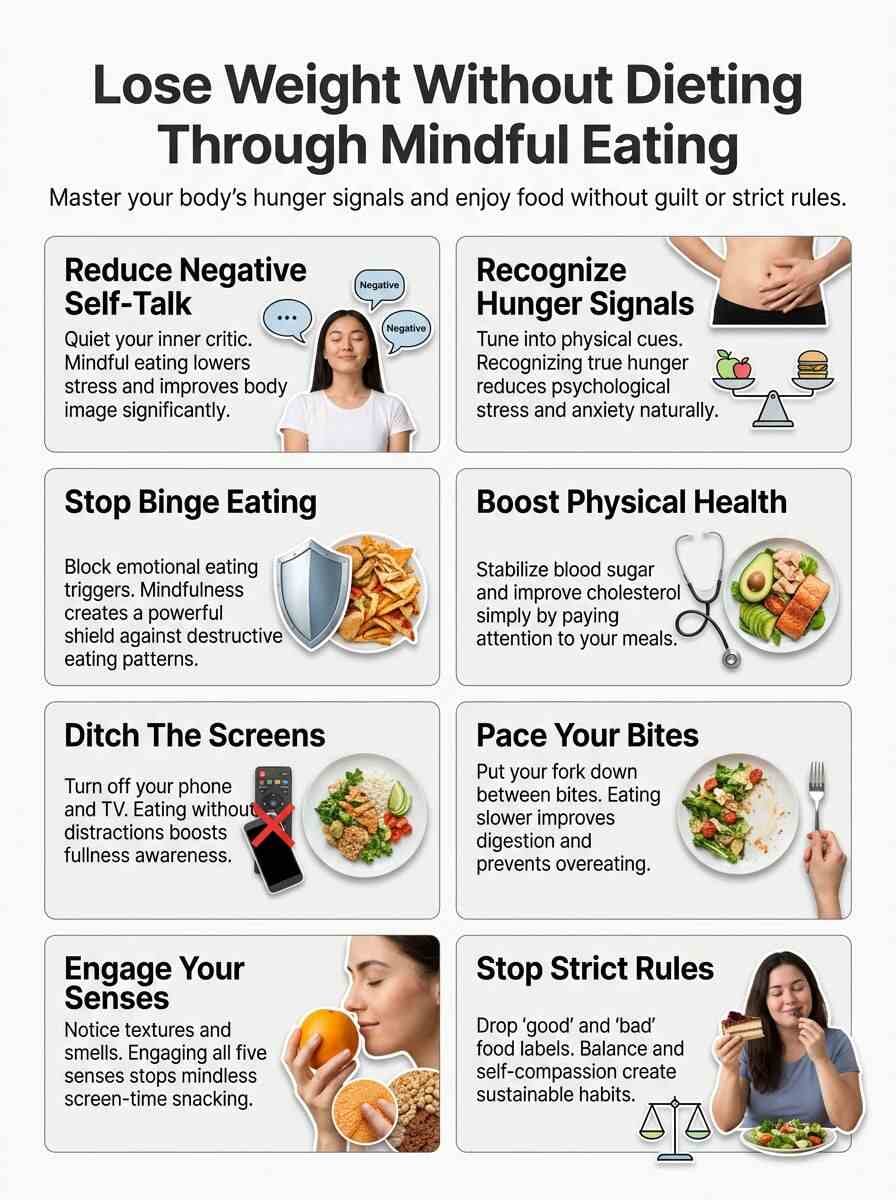
Mindful eating changes how busy people think about food and weight loss. This simple practice helps reduce stress around meals while building better habits that last.
Small steps like eating without distractions or slowing down create big changes over time. Your body knows what it needs - mindful eating helps restore that natural connection.
Start with just one mindful meal today, and watch how this gentle approach transforms both your relationship with food and your well-being.
Ready to Take This Further?
If you’re starting to see that fat loss is more about biology than 'starving yourself,' you’re ready for the next step.
While nutrition is the fuel, movement is the furnace.
The Steps Stack System is the perfect metabolic partner to a busy person's diet, ensuring your body stays in 'burn mode' 24/7 without ever stepping foot in a gym.
No gym membership.
No 5:00 AM alarm.
No willpower required.
Just a simple, proven system that works on your busiest, laziest days.
👉 Grab the Steps Stack System here and start burning fat today →
Join hundreds of busy people who are already "stacking" their way to a leaner, healthier body — without ever setting foot in a gym.
FAQs
What is mindful eating and how does it help busy people lose weight?
Mindful eating means paying attention to your food and feelings while you eat. It helps with weight management by making you more conscious of what you put in your body. This approach focuses on self-awareness instead of strict dieting rules, which works great when you're working from home or dealing with stress.
Can mindful eating help with eating disorders like binge eating?
Mindful eating can help people with binge eating patterns, but serious eating disorders need professional support. A mental health professional or therapist should guide treatment for conditions like anorexia or bulimia. Mindful eating teaches self-control and helps you understand your eating impulses better.
How does stress affect weight gain and eating habits?
Stress makes many people eat more, especially sugary drinks and comfort foods. Stress management through simple relaxation can prevent weight gain. When you're stressed, your mind often turns to food for comfort, but mindful eating helps break this cycle.
What should busy parents know about teaching children healthy eating?
Teaching kids about mindful eating helps them develop good habits early. Children learn self-management skills when parents model conscious eating behaviors. This approach protects kids from developing eating problems later and reduces weight-related issues.
Does mindful eating work for people with food sensitivities?
Mindful eating helps people with celiac disease, wheat sensitivity, and food allergies make better food choices. You become more aware of how different foods affect your well-being. Simple swaps like choosing whole foods over processed snacks can improve your overall health.
Can mindful eating help with other health issues besides weight loss?
Yes, studies show mindful eating improves blood sugar control and helps with chronic health conditions. It also reduces symptoms like hot flashes in some people going through menopause. The practice builds gratitude and confidence, which boosts your overall mental health and well-being.
A Quick Word from Weight Loss with Ken
Just so you know, I'm here to empower you with knowledge, not to replace your doctor. The ideas in this article are for your information and education. Before you make any changes to your health routine—be it diet, exercise, or anything else—please have a chat with your physician or a qualified healthcare professional. Your health is your greatest asset, so let's manage it together with the right team.
Created with ©systeme.io