The 15-Minute Living Room Workout for Absolute Beginners
What if getting fit needed just a small space and fifteen minutes a day?
You don't need a gym or fancy gear to start. This quick routine shows how bodyweight exercises can boost your strength and endurance right at home.
Studies say 20 minutes, five days a week, works well. Our beginner home workout is even quicker.
This routine has a 3-minute warm-up, a 10-minute circuit, and a 2-minute cool-down. You can do it in a 6×6 feet space, great for any room.
Feeling shy at the gym? Not sure where to begin? These 15 minute workouts offer privacy, ease, and no cost.
Consistency is key. Starting small with this easy routine is better than not starting at all. You can do it!
Why This Beginner Home Workout Works for You
This 15-minute routine has helped thousands of beginners get stronger. Bodyweight training for beginners uses your body's natural resistance. It builds real, functional strength that makes everyday life easier.
Unlike gym machines, these exercises work many muscles at once. You're not just getting stronger. You're training your body to move the way it's designed to.
Here's what makes this approach so effective for people just starting out:
● You can do it anywhere, anytime—no equipment needed
● Every exercise can be modified to match your current fitness level
● You'll build strength that translates directly to daily activities
● The short format fits into even the busiest schedules
● You'll see improvements in both physical and mental health
When you do bodyweight exercises, your muscles work hard. This effort makes your metabolism speed up. You'll burn extra calories for hours after your workout.
Research shows that strength training with cardio is perfect for weight management. This combo helps you lose weight and stay fit.
The mental health benefits are impressive. Strength training reduces anxiety and depression symptoms. Older adults with depression often sleep better after starting a routine.
Exercising releases endorphins, which make you feel good. These natural mood boosters help you feel positive and energized all day.
This home workout for weight loss removes excuses. You don't need special equipment or a gym membership. The exercises are like everyday movements.
By strengthening these movements, you make everyday tasks easier. Carrying groceries and playing with kids become simpler. Standing up from your desk feels less tiring.
Many routines include high-intensity interval training. This means you get cardiovascular benefits along with strength gains.
Your heart gets stronger, and your endurance improves in just 15 minutes.
The best part? This home workout for weight loss is adaptable. You can adjust the intensity based on how you feel. Your workout fits you, not the other way around.
Short, consistent workouts are better than long, sporadic ones. Research shows that regular 15-minute sessions create lasting results. This format helps you overcome the "I don't have time" barrier.
You're making a smart choice by starting with this routine. It builds a solid foundation and creates healthy habits. It proves that fitness can fit into your life without taking over.
Getting Your Living Room Ready for Exercise
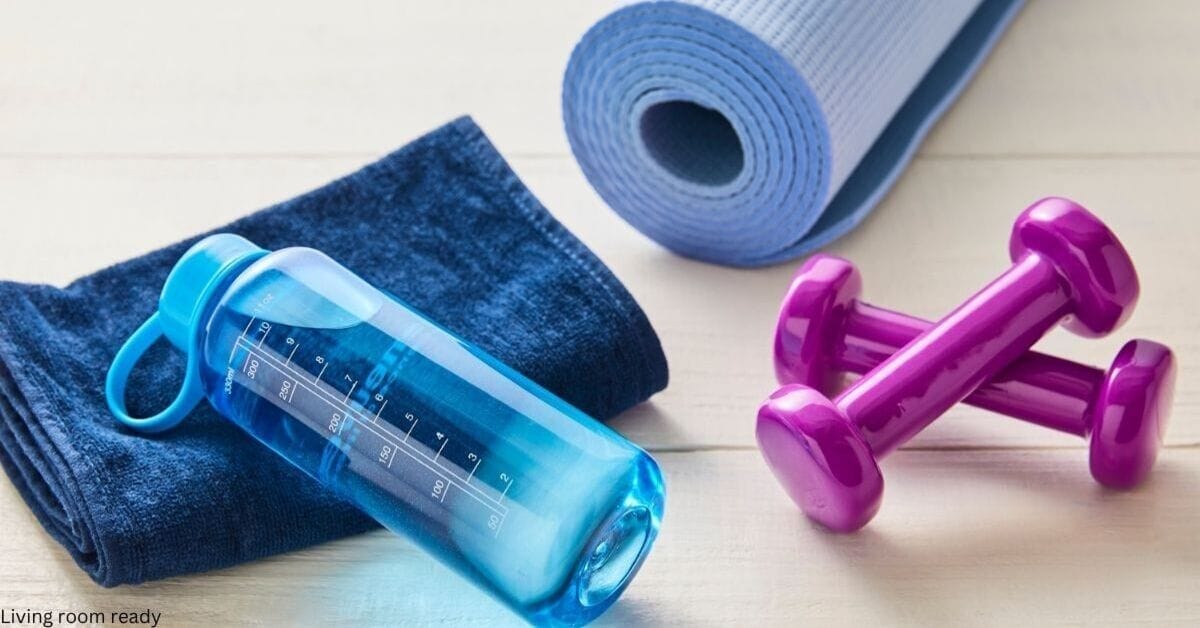
Turning your living room into a workout area is easy. You don't need a big gym or lots of room. A small space, like 6 feet by 6 feet, is enough for a good workout.
This size is like a small rug or the area in front of your couch. If you can stretch out without hitting anything, you're set.
First, clear a flat area for your exercises. Move the coffee table and any rugs that might slip. Also, put away breakable things so you can move freely.
Check your ceiling height, too. This is important if you'll be moving your arms up high. Most ceilings are fine, but check for ceiling fans or low lights.
Good air and light make your workout better. Open a window or turn on a fan. Make sure the room is well-lit so you can see what you're doing.
Here's what you might need before you start:
● A yoga mat or large towel for cushioning (completely optional)
● A water bottle to stay hydrated throughout your session
● A sturdy chair or your couch for support during modified exercises
● Your phone or a timer to track your intervals
● Water bottles or milk jugs if you want makeshift weights later
Bodyweight training is great because you don't need special equipment. A chair can be used for dips or step-ups. A towel is perfect for sliding exercises on hardwood floors.
If you have pets, put them in another room. Your dog will want to check out what you're doing. Your cat will want attention right then.
Your living room doesn't have to be perfect for these exercises. Even in a small apartment or with kids' toys around, it's okay. The goal is to have a safe, comfy spot for 15 minutes of movement.
Once you've cleared your space and gathered what you need, you're ready to start. Warm up and begin your routine.
Your 3-Minute Warm-Up to Prep Your Body
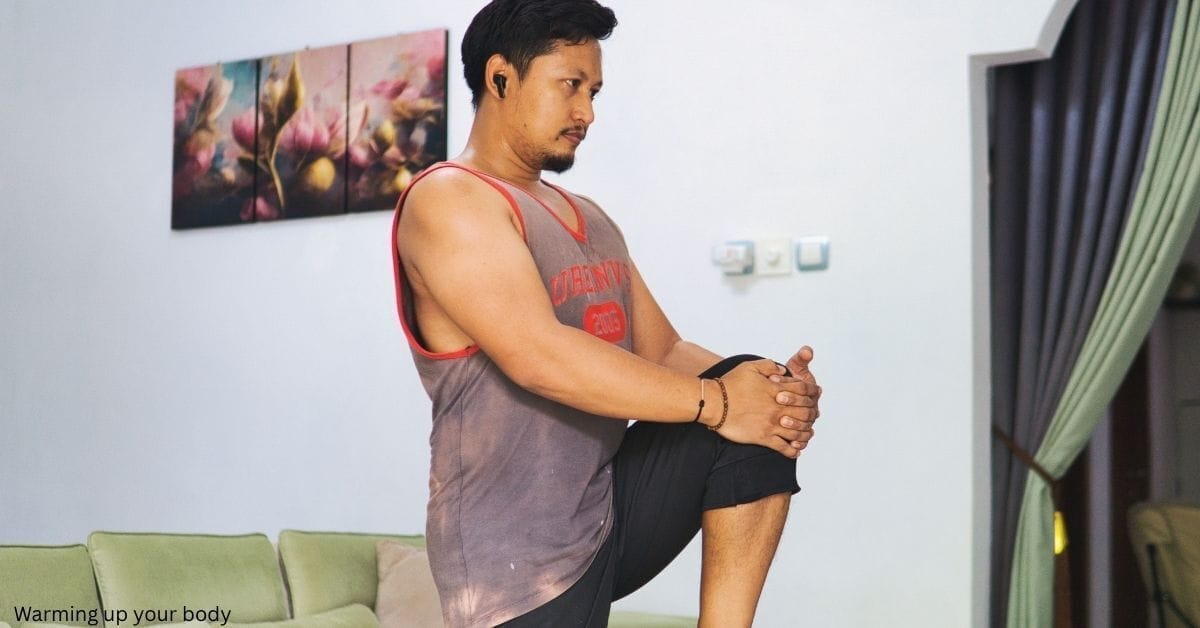
Warming up your body is key to feeling good during exercise. It makes your heart beat faster and blood flow to your muscles. It also helps you move better and significantly lowers injury risk.
This is very important when you start exercising or after a break. Your muscles need a gentle start before working hard. It's like slowly getting into a cold pool, not jumping in.
These easy exercises get your whole body ready for the workout. You should feel warm and ready, but not too tired. The warm-up should feel good and energizing.
Here's your simple 3-minute warm-up sequence:
1. Marching in Place (60 seconds): Stand tall and march in place, lifting your knees a bit. Swing your arms at your sides. This gets your blood flowing and body moving.
2. Arm Circles (30 seconds): Hold your arms out to the sides at shoulder height. Make small circles forward for 15 seconds, then backward for 15 seconds. This loosens your shoulders and upper back.
3. Torso Twists (30 seconds): Stand with feet hip-width apart and hands on your hips or crossed at your chest. Gently twist your upper body from side to side. Keep your hips facing forward. This warms up your core and spine.
4. Leg Swings (30 seconds): Hold onto a chair or wall for balance. Swing one leg forward and back gently for 15 seconds, then switch legs. Move through a comfortable range without forcing it.
5. Step-Touches or Light Jumping Jacks (30 seconds): Step side to side while bringing your arms up and down, or do gentle jumping jacks if you feel comfortable. This final push elevates your heart rate a bit more.
This warm-up is great because you can do it in your living room. You don't need any equipment or much space. Everything happens in one small area.
If any movement feels painful or uncomfortable, ease up or skip it. Your warm-up should never hurt. You might feel a gentle stretch or your muscles waking up, but sharp pain means stop.
You can adjust these movements based on your fitness level. For example, march more slowly, make smaller arm circles, or do step-touches instead of jumping jacks.
The goal is to move your body gently and prepare it for what comes next.
By making this 3-minute warm-up a habit, you're building a strong foundation for safer and more effective workouts. Your body will thank you for this small investment of time.
Plus, you'll feel more confident and ready to tackle the main workout routine.
Safety and Common Mistakes to Avoid
Before jumping into your main circuit, take a moment to set yourself up for success. Even simple movements deserve good form.
● Check your posture before starting: chin up, shoulders back, and core engaged.
● Move with control—fast reps often mean poor form.
● Avoid locking your joints at the top of each motion.
● If you feel pain, not just discomfort, pause and adjust.
A mindful approach keeps you safe and ensures you build strength the right way.
The 10-Minute Bodyweight Training Routine
Let's get moving with five simple exercises. They work every major muscle group in just 10 minutes. This no equipment workout uses a circuit format.
You'll rotate through all five exercises, rest briefly, and then repeat. Each movement is about 45 seconds to one minute. Followed by 15 to 30 seconds of rest.
Don't worry if you can only do a few reps at first. That's completely normal! The goal is to keep moving at your own pace while maintaining proper form.
These no equipment exercises are designed to build your strength progressively. Focus on controlled movement.
Remember, doing five perfect squats beats doing fifteen sloppy ones every single time.
Squats strengthen your legs, glutes, and core all at once. They're one of the most effective movements you can do in your living room.
Exercise 1: Squats
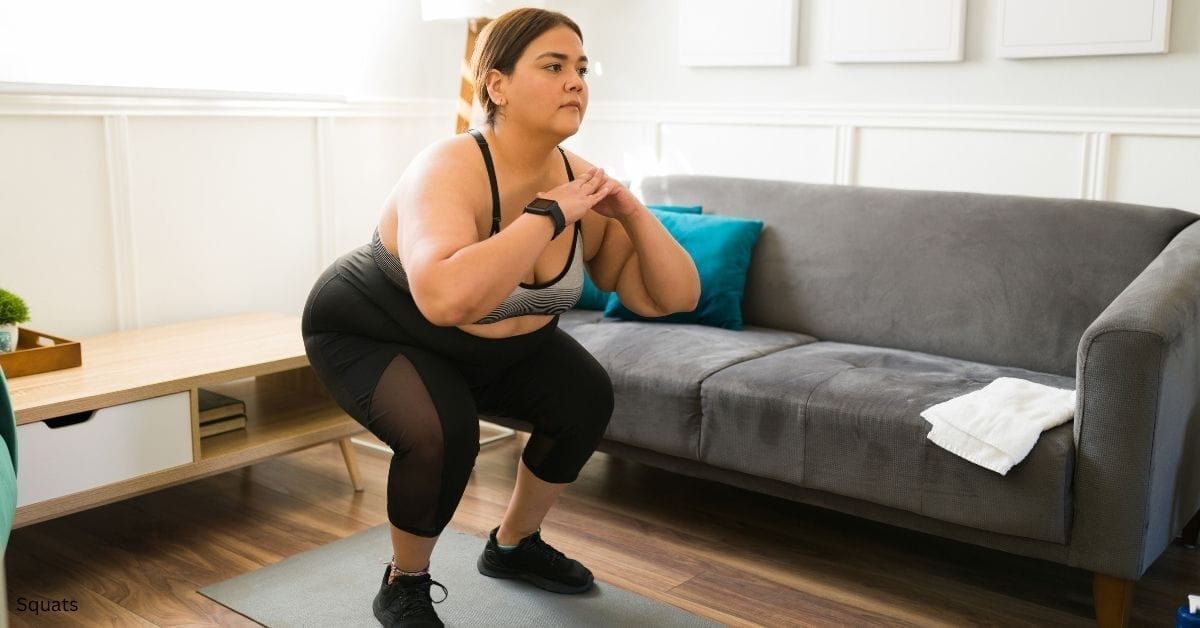
Form & Posture Pointers: Keep knees tracking over toes—never collapsing inward.
Tip: Focus on lowering under control and standing tall through your heels.
Step-by-Step Instructions
● Stand with your feet positioned shoulder-width apart and your toes pointing slightly outward
● Keep your chest lifted and your core engaged throughout the movement
● Lower your body as if you're sitting back into a chair, pushing your hips behind you
● Go down until your thighs are parallel to the floor, or as low as comfortable
● Press through your heels to return to standing position
Easier Modification
If full squats feel too challenging, try a partial squat by only lowering halfway down.
You can also place a sturdy chair behind you and gently tap it with your bottom before standing back up. This gives you a reference point and builds confidence with the movement.
Exercise 2: Modified Push-Ups
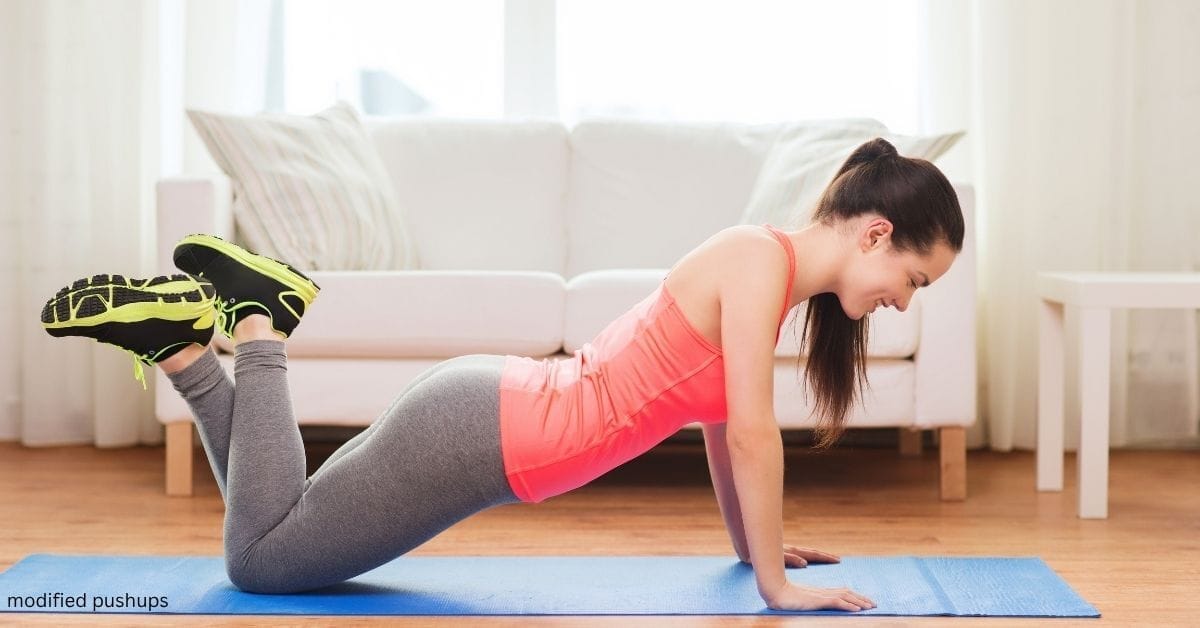
Modified push-ups build upper body strength in your chest, shoulders, and arms without requiring the full intensity of standard push-ups.
This variation makes the exercise accessible while delivering real results.
Form & Posture Pointers: Keep your body in a straight line; avoid sagging hips or flared elbows.
Step-by-Step Instructions
● Start on your hands and knees with your shoulders positioned directly over your wrists
● Walk your hands forward about one foot so your body forms a straight diagonal line from knees to head
● Pull your navel toward your spine to engage your core muscles
● Bend your elbows to lower your chest toward the floor, keeping elbows at a 45-degree angle
● Push back up to the starting position, maintaining body alignment throughout
Easier Modification
If knee push-ups are too difficult, try wall push-ups instead. Stand facing a wall at arm's length, place your palms flat against it, and perform the pushing motion while standing.
This no equipment exercise gives you the same movement pattern with less resistance.
Exercise 3: Glute Bridges
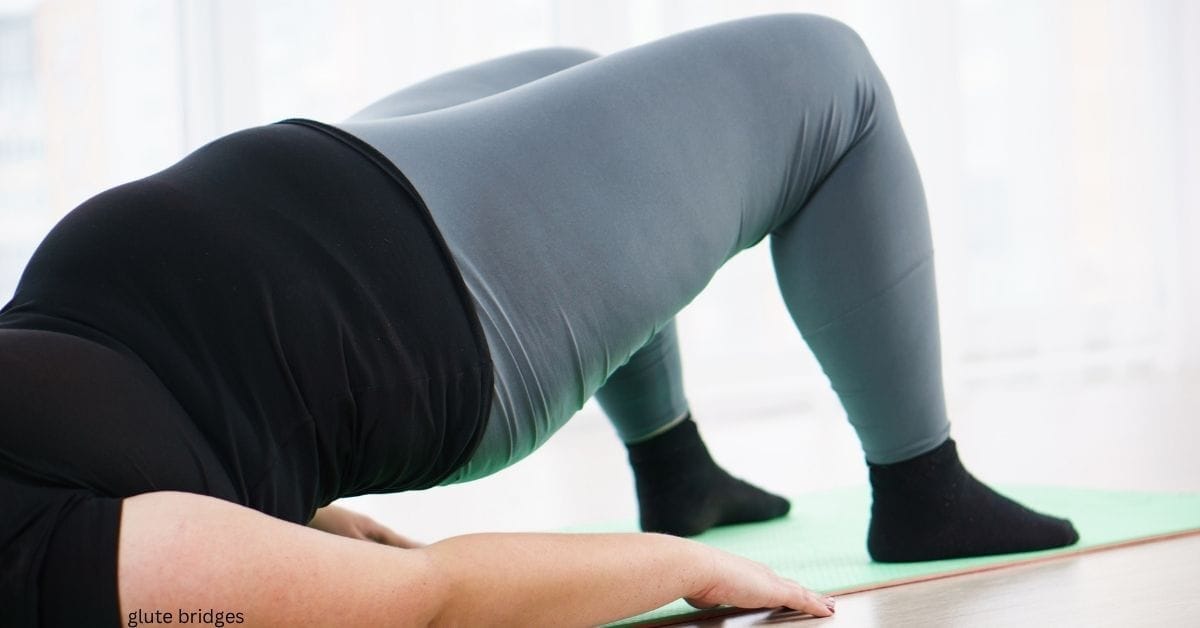
Glute bridges target your backside and lower back while also engaging your core. They're gentle on your joints but incredibly effective for building posterior strength.
Form & Posture Pointers: Press through your heels, not your toes. Keep shoulders grounded and neck relaxed.
Step-by-Step Instructions
● Lie on your back with your arms relaxed at your sides and palms facing down
● Bend your knees and place your feet flat on the floor, hip-width apart
● Press your feet into the floor and squeeze your glutes to lift your hips upward
● Raise your back and butt off the floor until your body forms a straight line from knees to shoulders
● Hold for two seconds at the top, then slowly lower back down
Easier Modification
Reduce the range of motion by lifting your hips only halfway up. You can also perform this movement with a shorter hold time at the top, or skip the pause entirely and focus on the lifting motion.
Exercise 4: Plank Holds
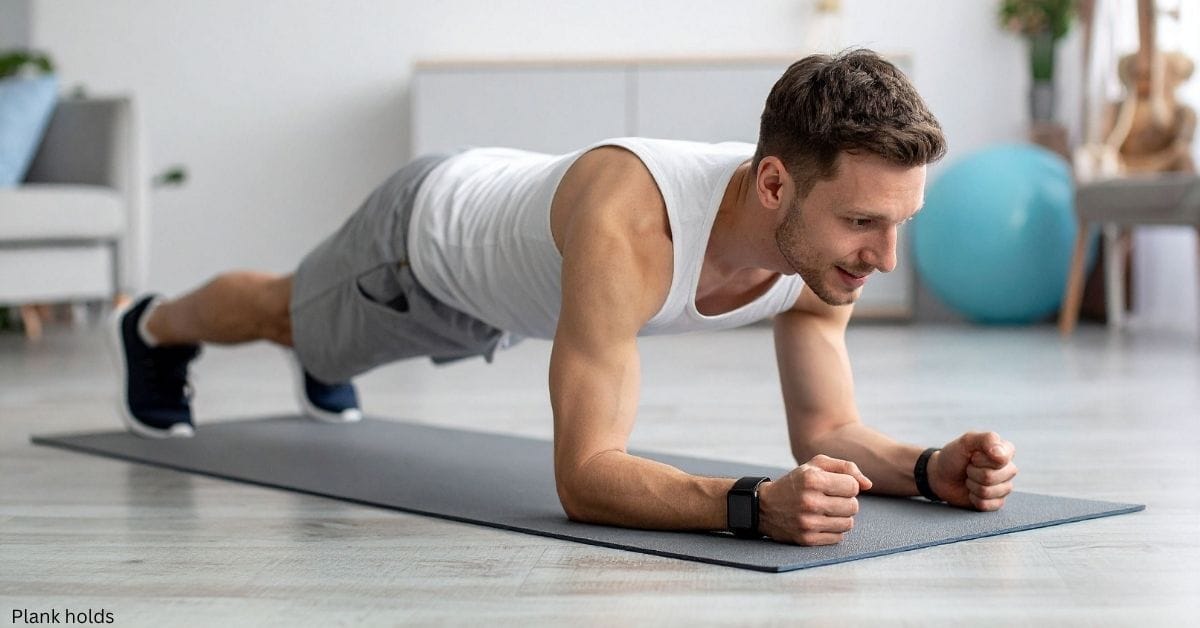
Planks develop core stability and full-body tension. They teach your body to work as one connected unit, which helps with every other no equipment workout movement you'll do.
Form & Posture Pointers: Imagine making a straight line from head to heels. Don’t let your hips drop or lift too high.
Step-by-Step Instructions
● Position yourself on your forearms and toes with elbows directly beneath your shoulders
● Keep your body in a straight line from your head to your heels
● Engage your core by pulling your belly button toward your spine
● Squeeze your glutes and thighs to maintain proper alignment
● Hold this position for 15 to 20 seconds initially, working up to 60 seconds over time
Easier Modification
Drop to your knees while keeping your forearms in place. This reduces the load on your core while building the strength and endurance you need.
Another option is to start with shorter holds—even 10 seconds counts as progress!
Exercise 5: Lunges
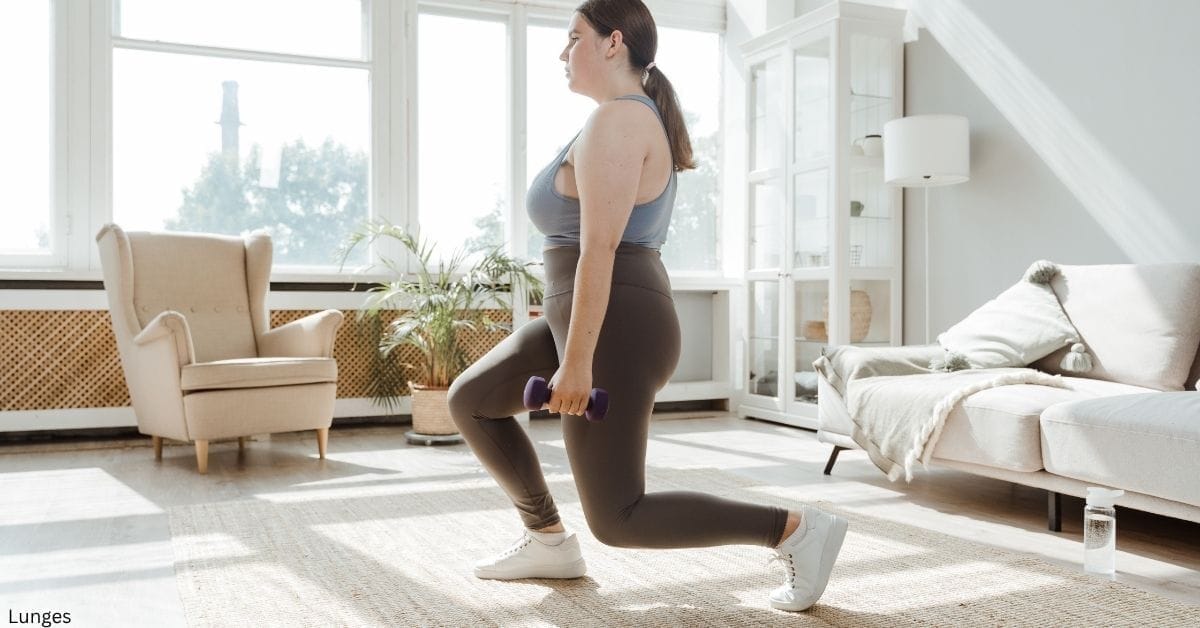
Lunges improve leg strength and balance while working each leg independently. This helps correct any strength imbalances you might have between your left and right sides.
Form & Posture Pointers: Keep your front knee aligned over your ankle—avoid pushing past your toes.
Step-by-Step Instructions
● Stand tall with your feet hip-width apart and hands on your hips
● Step one foot forward about two to three feet
● Lower your body by bending both knees until your front thigh is parallel to the floor
● Keep your front knee aligned over your ankle, not pushing past your toes
● Push through your front heel to return to standing, then repeat on the opposite leg
Easier Modification
Try stationary lunges where you keep your feet in position and simply lower and raise your body without stepping.
You can also reduce the depth of your lunge by only going halfway down.
Holding onto a wall or sturdy furniture piece helps with balance as you learn the movement.
Complete this entire circuit of five no equipment exercises, take a one-minute rest, and then repeat the sequence one more time.
Listen to your body throughout—if you need extra rest between exercises, take it. Celebrate every rep you complete because each one makes you stronger than you were before.
Focus on quality over quantity during this bodyweight routine. Your muscles might shake, you might feel challenged, and that's exactly what growth feels like.
You're doing amazing work just by showing up and moving your body today.
15-Minute Home Workout Plan
No gym required - Perfect for beginners
| Exercise | Duration | Focus | Easier Option |
|---|---|---|---|
| Squats | 45–60 seconds | Legs & Core | Sit-to-chair |
| Modified Push-Ups | 45–60 seconds | Upper Body | Wall Push-Ups |
| Glute Bridges | 45–60 seconds | Glutes & Back | Half-lift |
| Plank | 20–60 seconds | Core | Knee Plank |
| Lunges | 45–60 seconds | Legs & Balance | Stationary Lunge |
⭐ Circuit Instructions:
Repeat this circuit 2-3 times total, with a 60-second rest between each full round.
Your 2-Minute Cool-Down and Stretch
Your body worked hard, and now it needs a cool-down. This two minutes is very important. It helps you feel better later today and tomorrow.
Cooling down makes your heart rate slow down. It also makes your muscles feel less sore. Plus, it makes you feel proud of what you did.
You will do five simple stretches for 20 to 30 seconds each. Breathe deeply and relax into each stretch. They should feel good, not painful.
● Standing quad stretch: Pull one foot behind you toward your butt. Hold onto a wall if needed. Switch legs and repeat.
● Standing hamstring stretch: Extend one leg forward with your heel on the ground. Bend your other knee slightly. Fold forward at the hips. Switch sides.
● Chest opener stretch: Clasp your hands behind your back and gently lift them away from your body. Open your chest and pull your shoulders back.
● Shoulder stretch: Bring one arm across your body and use your other arm to gently pull it closer to your chest. Hold, then switch arms.
● Cat-cow stretch: If you're comfortable getting on the floor, come onto your hands and knees. Alternate between arching your back and rounding it, moving slowly with your breath.
Take your time with each stretch. There's no rush here.
Stretching regularly will make you more flexible. Your muscles will feel less stiff. You'll move more easily in your daily activities.
This is also a perfect time to grab some water and hydrate. Take a moment to acknowledge that you completed your workout.
You showed up for yourself today, and that's something worth celebrating.
Your easy fitness routine is now complete. You warmed up, worked out, and cooled down properly—all in just 15 minutes.
Tips to Keep Going and See Real Progress
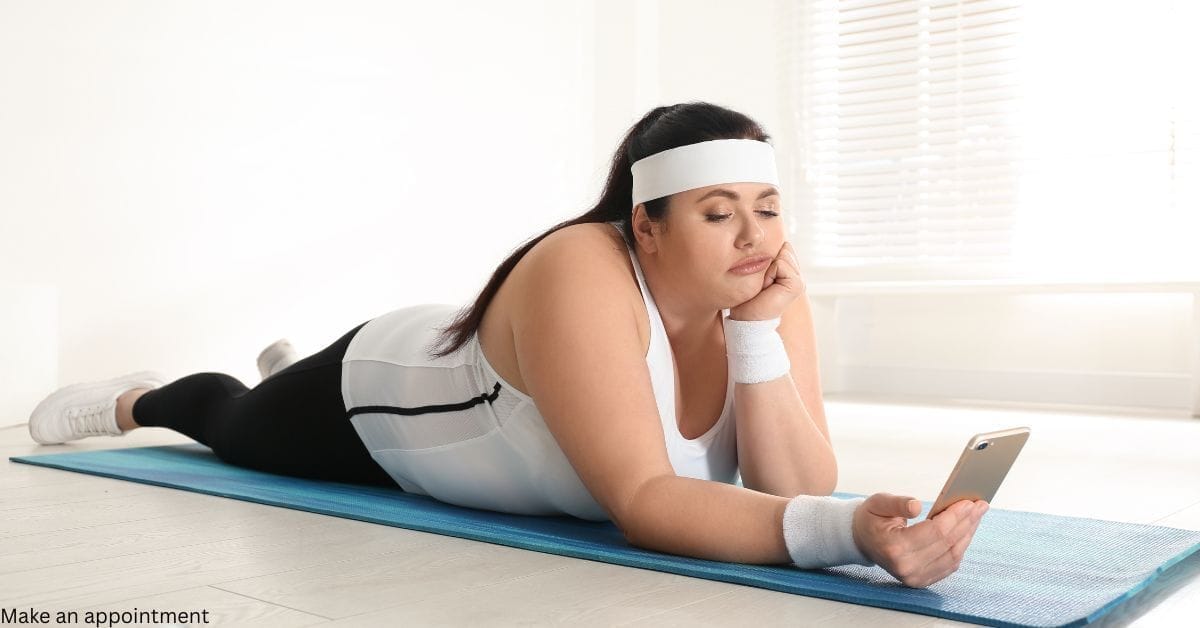
Building momentum with your 15 minute workouts is more than just motivation. It needs a simple system you can stick with.
Most people don't fail because the exercises are too hard. They stop because they don't have a plan for staying consistent when life gets busy or results feel slow.
Let's fix that right now with strategies that actually work for real people with real schedules.
Your first step is treating your beginner home workout like any other important appointment. Grab your phone calendar right now and block out three specific days and times this week.
Maybe it's Monday, Wednesday, and Friday at 7 AM, or Tuesday, Thursday, and Saturday during your lunch break. The exact timing matters less than making it non-negotiable.
Next, you need to track what you're doing. This doesn't require fancy apps or expensive equipment.
● The date and time you worked out
● How many reps you completed for each exercise
● How long you held your plank
● How you felt during and after (energized, tired, sore)
● Any modifications you made to exercises
A simple notebook works perfectly for this. So does the notes app on your phone.
Seeing your plank time increase from 15 seconds to 30 seconds over three weeks provides proof that you're getting stronger, even when the mirror doesn't show dramatic changes yet.
Speaking of visual progress, take "before" photos from the front, side, and back wearing fitted clothing.
Store them somewhere private, then take new photos every 2-3 weeks wearing the exact same outfit.
Your body changes gradually, making it hard to notice day-to-day improvements. These photos capture what your eyes might miss.
But here's something important: the scale and photos don't tell the whole story when you start fitness. Pay attention to these non-scale victories that show up first:
● Feeling more energized throughout your afternoon instead of crashing
● Carrying grocery bags or playing with kids without getting winded
● Sleeping more soundly and waking up refreshed
● Standing taller with better posture at your desk
● Feeling less stressed and more mentally clear
These changes are real progress that deserve celebration. They're your body adapting and getting stronger from the inside out.
Research backs up something important about your approach: whether you do all your strength training in one day or split up the workouts across the week, your results will be similar.
What matters most is consistency. Three 15 minute workouts done every single week will deliver better results than sporadic hour-long sessions you can't maintain.
This is why starting small beats going hard. Your goal right now isn't to impress anyone or post gym selfies. It's to build a habit that sticks around long enough to change your life.
Accountability helps a lot. Find a friend, family member, or online community where you can share your commitment. Text someone after you finish each workout.
Join a beginner-friendly fitness group on social media. Knowing someone else is cheering you on makes showing up easier on tough days.
Don't forget that rest days are part of your program, not failures. Your muscles need 48 hours to recover and rebuild stronger.
Taking scheduled days off prevents burnout and reduces injury risk. It's smart training, not laziness.
Motivation and Mindset Tips for Beginners
l Focus on how you feel, not just how you look. Energy and confidence show up first.
l Expect small wins—like better sleep or less afternoon fatigue—as real signs of progress.
l When motivation dips, rely on your schedule and habits. You don’t need to feel motivated to move.
Your mind adapts just like your muscles. Stay patient and kind to yourself as you build consistency.
Now let's tackle the obstacles that trip up most beginners:
1. Feeling sore after your first few workouts: This is completely normal and means your muscles are adapting. The soreness fades within a week as your body adjusts. Gentle movement actually helps more than staying put.
2. Missing a workout: Life happens. You don't need to punish yourself or quit entirely. Just do your next scheduled session without guilt or extra intensity to "make up" for it.
3. Not seeing immediate results: Meaningful changes take 3-4 weeks to become noticeable to you and 8-12 weeks for others to comment. Trust the process and focus on what you can control—showing up consistently.
4. Losing motivation: Go back to your "why" for starting. Write down the specific reason you decided to begin this journey and read it before workouts when motivation dips.
Remember this fundamental truth: short workouts are infinitely better than no workouts.
Your 15-minute living room session might feel small compared to what you see on social media, but consistency makes home workouts effective by removing barriers that prevent you from exercising at all.
The best workout is always the one you actually do. That's the secret nobody talks about enough.
Beginner Progression Plan
Once this 15-minute workout feels easier, it’s time to build on your new foundation.
● Add a third round of the circuit or increase each move to 60 seconds.
● Incorporate new variations like side planks, step-ups, or gentle cardio bursts.
● Progress from wall push-ups to knee push-ups, then full push-ups over time.
● After one month, alternate between strength-focused and cardio-style days to keep things fun.
These small, steady upgrades help you grow stronger while keeping workouts manageable and motivating.
Ready to Take This Further?
If this article showed you that the world is your gym, you’re already thinking differently than 95% of people out there.
But knowing it is one thing—having a system to execute it is another.
The Steps Stack System is the exact framework I use with my readers to turn everyday "dead time" — waiting for coffee, walking to the car, pacing during a phone call — into a powerful fat-burning routine.
No gym membership.
No 5:00 AM alarm.
No willpower required.
Just a simple, proven system that works on your busiest, laziest days.
👉 Grab the Steps Stack System here and start burning fat today →
Join hundreds of busy people who are already "stacking" their way to a leaner, healthier body — without ever setting foot in a gym.
Conclusion
You now have a simple home workout for beginners. It fits into any schedule.
This 15-minute routine has a warm-up, five exercises for your whole body, and a cool-down.
This workout doesn't need gym equipment or memberships. Just 20 minutes, five days a week, can make you stronger and more energetic.
Your living room is now your gym. You don't need expensive gear to get stronger. This workout is for you, no matter your fitness level.
Starting is hard. But you've already taken the first step by reading this guide. Try this routine three times this week. Be patient as you learn each move.
Clear a space in your living room. Wear comfy clothes and start with a three-minute warm-up.
Your body is your equipment. Your commitment is your fuel. Your future self will thank you for starting today.
Every fitness expert started as a beginner.
Your journey starts with one workout, one movement, one decision to invest in yourself. You've got this.
Resources:
Disclaimer: My advice is not medical advice—always consult a healthcare professional before starting any health plan.
Created with ©systeme.io