The 5 Science-Backed \"No-Sweat\" Swaps to Stop Stress Eating (Without Stepping in a Gym)
If you've ever demolished a bag of chips after a tough day, then beaten yourself up about it later, you're not alone. I know exactly how this feels - I used to turn to Chocolate Panda Paws ice cream every time work stress, family chaos, or life in general got overwhelming.
Working nights, dealing with teenage kids testing boundaries, aging parents with health issues - the list went on. Food became my escape, my comfort, my way to shut off the noise for a few minutes.
The breaking point came during a basketball game with my son.
He asked why I was sweating so much, then challenged me to touch the rim like he could. At 225 pounds (though I told him 210), I kept coming up short.
When I tried to explain the weight difference, his response hit hard: "If I weighed 200+ pounds, I'd probably be able to do 40 or 50 pullups because I'd be so much stronger."
That conversation made me realize it was time to get serious about my relationship with food and stress.
The good news? You don't need willpower, a gym membership, or perfect eating to break the stress-eating cycle.
These five simple swaps use science-backed methods that work with your brain, not against it—all from the comfort of your home.
Why Your Brain Reaches for Junk Food When You're Stressed (And How to Rewire It)

The Cortisol-Carb Connection: A Neurological Loop
When stress hits, your body doesn't know the difference between a work deadline and a charging tiger. It pumps out cortisol, the stress hormone that triggers your fight-or-flight response.
Back in caveman days, this made sense—our ancestors needed extra calories to literally fight for survival.
Today, that same cortisol response gets triggered by everything from your phone buzzing to sitting in traffic.
Your brain still thinks you need fuel for battle, so it cranks up your appetite and sends you hunting for quick-energy foods - usually the sugary, fatty stuff that used to help our ancestors survive.
The cruel irony? Research shows stress eating only makes you feel better for about three minutes. Then the guilt kicks in, cortisol stays elevated, and the cycle repeats.
Beyond Willpower: Why "Just Stop" Advice Always Fails
Here's what most advice gets wrong: they tell you to use willpower when your brain is literally working against you.
When cortisol floods your system, the rational part of your brain takes a backseat to the primitive survival instincts.
Telling someone to "just stop stress eating" is like telling them to hold their breath underwater indefinitely. It's not sustainable, and it's not your fault when it doesn't work.
The solution isn't fighting your brain—it's working with it using simple swaps that satisfy the same neurological needs without the aftermath.
The Science Behind Why Stress Eating "Works" (Until It Doesn't)
Dr. Becky Gillaspy breaks down exactly what happens inside your body when you reach for that bag of chips or pint of ice cream during stressful moments.
As she explains, stress eating isn't a character flaw - it's your brain doing exactly what it's designed to do for survival.
The immediate calming effect from high-sugar, refined foods gives you a temporary escape, but it also sets up the cortisol-carb cycle that keeps you coming back for more.
Understanding this science helps remove the shame and guilt, which is the first step toward building the simple, sustainable swaps that actually break the pattern.
Once you know why your brain craves these foods during stress, you can work with it instead of fighting against it - no gym or complicated meal plans required.
The 5-Minute Food-Mood Audit: Identify Your Personal Stress-Eating Triggers
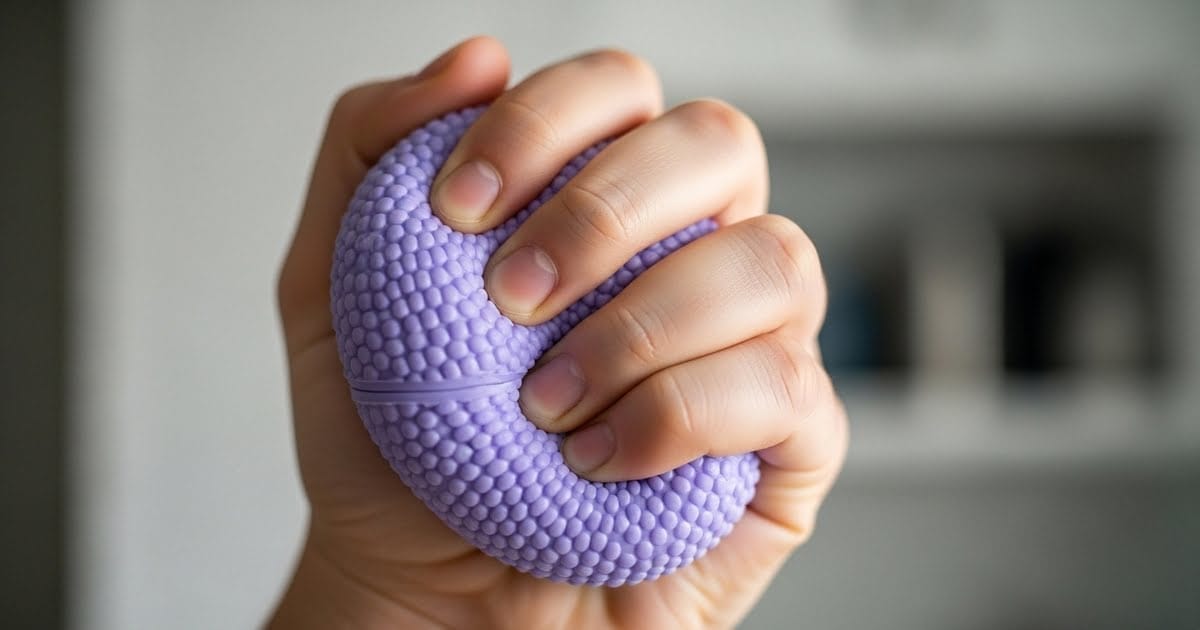
The Hidden Environmental Cues That Hijack Your Habits
Before we dive into the swaps, spend five minutes identifying your personal triggers. Most stress eating happens automatically - you're stressed, you eat, you feel guilty, repeat.
Common triggers include:
Specific times (after work, late evening)
Locations (kitchen, couch, car)
Emotions (overwhelm, boredom, frustration)
Situations (work calls, family arguments, bills)
The Emotional Inventory Worksheet
Grab a piece of paper and track this for three days:
When: What time did the craving hit?
Where: What location were you in?
What: What emotion were you feeling?
Why: What specific stressor triggered it?
This simple awareness breaks the autopilot pattern and gives you data to work with.
Swap #1: The "Distraction Delay" Tactic to Neutralize Any Craving

The moment you feel a stress-eating urge, try the S.T.O.P. technique:
Stop whatever you're doing
Take a deep breath
Observe how you're feeling—are you actually hungry or just stressed?
Pick an option that matches your real need
Then commit to a 10-minute delay with purposeful distraction. Fold a dollar bill into origami shapes, do a quick 5-minute tidying session, or call someone from your support list.
Research shows that engaging your frontal cortex (the decision-making part of your brain) with focused activity can reset the stress-eating impulse
The key is having your distraction planned ahead of time, so when stress hits, you don't have to think - you just act.
Swap #2: "Hydration Triggers" – The Simplest Fix You're Overlooking
Here's something simple that works: before you eat anything during a stress moment, drink a full glass of water and wait 10 minutes.
Why this works:
Dehydration often masquerades as hunger
The physical act of drinking gives your hands something to do
It creates a natural pause between trigger and action
Water helps regulate cortisol levels
Make it even more effective by adding lemon or drinking it from a special mug that feels comforting.
The goal isn't to trick yourself out of eating—it's to make sure you're responding to actual hunger, not stress.
Swap #3: "Stress-Sipping" – Herbal Infusions That Calm Your Nervous System

Instead of reaching for food when stress hits, reach for a warm mug. Black tea has been shown to reduce cortisol levels after just six weeks of regular drinking.
The ritual of making tea also creates a soothing break in your day.
Try these stress-busting options:
Black tea for cortisol reduction
Chamomile for general calming
Peppermint for digestive comfort
Green tea for gentle alertness without jitters
Add a dash of cinnamon to help regulate blood sugar and create extra warmth and comfort.
Keep tea bags at your desk, in your car, and anywhere you typically stress eat.
Swap #4: The "Protein-First" Plate Formula to Chemically Balance Cravings
When you do eat, especially during stressful periods, lead with protein. This isn't about restriction - it's about chemistry.
Protein helps stabilize blood sugar, which prevents the energy crashes that trigger more cravings.
Simple formula for any meal or snack:
Start with protein (Greek yogurt, nuts, hard-boiled egg)
Add fiber (apple slices, carrots, whole grain crackers)
Include healthy fat (avocado, olive oil, nut butter)
This combination keeps you satisfied longer and prevents the blood sugar roller coaster that often leads to stress eating an hour later.
Swap #5: "Sensory Grounding" – A 60-Second Technique to Reset Your Appetite
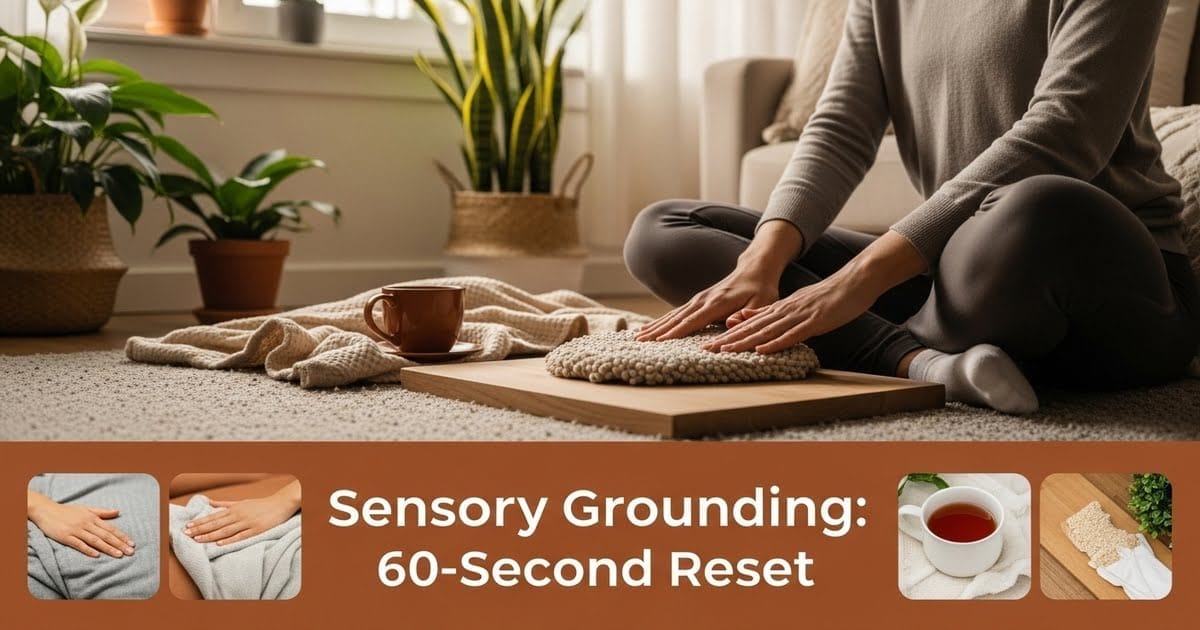
When stress eating urges hit, try "forest bathing" for your senses - a quick grounding technique that research shows reduces anxiety and tension in just 15 minutes.
The 60-second version:
Look: Find 5 things you can see in detail
Listen: Identify 4 sounds around you
Touch: Feel 3 different textures
Smell: Notice 2 scents in your environment
Taste: Focus on 1 taste in your mouth
This technique activates your parasympathetic nervous system (the "rest and digest" mode) and pulls you out of stress-response mode.
Do this before deciding whether you're actually hungry or just need to reset.
Building Your "No-Sweat" Stress Defense Protocol: A Daily Checklist
Turn these swaps into daily habits with this simple checklist:
Morning Setup:
Fill water bottle and place in visible spot
Prep one healthy protein snack
Set tea bags on counter
When Stress Hits:
S.T.O.P. technique (Stop, Take breath, Observe, Pick)
Drink water, wait 10 minutes
Try sensory grounding if still stressed
If hungry, eat protein-first combo
If not hungry, make tea or do 5-minute distraction
Evening Reset:
Note any stress-eating triggers from the day
Plan tomorrow's distractions and healthy options
Practice self-compassion for any slips
Remember, the goal isn't perfection - it's progress. These swaps work because they satisfy the same needs that stress eating does (comfort, distraction, control) without the guilt spiral afterward.
As someone who's been through this cycle myself, I can tell you that small, consistent changes beat dramatic overhauls every time.
Start with one swap that feels most doable for your life right now. Master that, then add the next one.
Your stress-eating patterns took time to develop, and they'll take time to change.
Be patient with yourself, stay consistent with these simple swaps, and watch how small shifts create big changes - no gym required.
Ready to Take This Further?
If you’re done with the 'no pain, no gain' culture and ready for a smarter, lower-friction approach to fat loss, you’re in the right place.
The Steps Stack System is designed for your worst, laziest days—not just your best ones—so that progress becomes automatic even when motivation is low...
No gym membership.
No 5:00 AM alarm.
No willpower required.
Just a simple, proven system that works on your busiest, laziest days.
👉 Grab the Steps Stack System here and start burning fat today →
Join hundreds of busy people who are already "stacking" their way to a leaner, healthier body — without ever setting foot in a gym.
FAQ
Can I really stop stress eating without going to a gym or doing intense workouts?
A: Absolutely. Stress eating is more about your brain chemistry and emotional responses than physical fitness. The five swaps I outlined work because they address the cortisol-driven cravings at their source - through hydration, sensory grounding, and simple habit shifts you can do at home. No gym required, no equipment needed. Just simple nutrition and small habit changes that actually stick.
How long does it take for these stress-eating swaps to actually work?
A: You can start seeing results immediately with techniques like the S.T.O.P. method and hydration triggers, but building lasting habits takes consistency over time. The distraction delay tactic works in real-time to break the stress-eating cycle, while the protein-first plate formula helps stabilize blood sugar within hours. For permanent change, focus on one swap at a time and practice it for 2-3 weeks before adding the next one.
What if I don't have time for complicated meal prep or special ingredients?
A: That's exactly why I designed these swaps to be simple and realistic. The protein-first formula works with whatever you have - Greek yogurt and an apple, hard-boiled egg with crackers, or nuts with fruit. Keep tea bags handy, fill a water bottle each morning, and prep one healthy snack. These aren't complicated meal plans; they're simple nutrition strategies that fit family and work schedules without overwhelming your day.
Do these methods work if I'm dealing with serious emotional eating or trauma-related food issues?
A: These swaps are designed for everyday stress eating, but if your relationship with food feels completely out of control or is tied to trauma, professional support is important. The techniques I share, like sensory grounding and mindful awareness, can be helpful tools alongside therapy, but they're not replacements for professional mental health care when deeper issues are involved. Start with self-compassion and realistic progress, not perfection.
How do I know if I'm actually hungry or just eating because I'm stressed?
A: This is where the 5-minute food-mood audit becomes crucial. Before eating, ask yourself: Did I eat in the last 2-3 hours? Is my stomach actually rumbling? What emotion am I feeling right now? The hydration trigger (drinking water and waiting 10 minutes) helps separate real hunger from stress-driven cravings. True hunger builds gradually and can wait; stress eating feels urgent and emotional. The sensory grounding technique also helps you pause and check in with your body's actual needs versus emotional impulses.
Resources:
Disclaimer:
The content provided in this article is for informational and educational purposes only and is not intended as a substitute for professional medical advice, diagnosis, or treatment. Always seek the advice of your physician or another qualified health provider with any questions you may have regarding a medical condition or before making any changes to your diet or lifestyle.
Created with ©systeme.io