
Walking For Weight Loss: The Underrated Powerhouse
Are you tired of gym plans that never stick? Walking for weight loss might be the answer you've been looking for all along.
A brisk 30-minute walk can burn up to 150 calories, making it a simple way to start your weight loss journey.
This blog will show you how to turn regular walks into fat-burning workouts without fancy equipment or gym memberships. Ready to lace up those sneakers?
Gear Up (Without Breaking the Bank)
You don't need much, but the right basics make all the difference:
Shoes: The most important thing! You don't need running shoes—look for 'walking' or 'training' shoes with good support. I found my perfect pair at an outlet store.
Clothes: Wear anything comfortable that you can move in. A moisture-wicking t-shirt (even an old one) will keep you drier than cotton.
Water: A simple water bottle is your best friend, especially on longer walks.
How Walking Supports Weight Loss
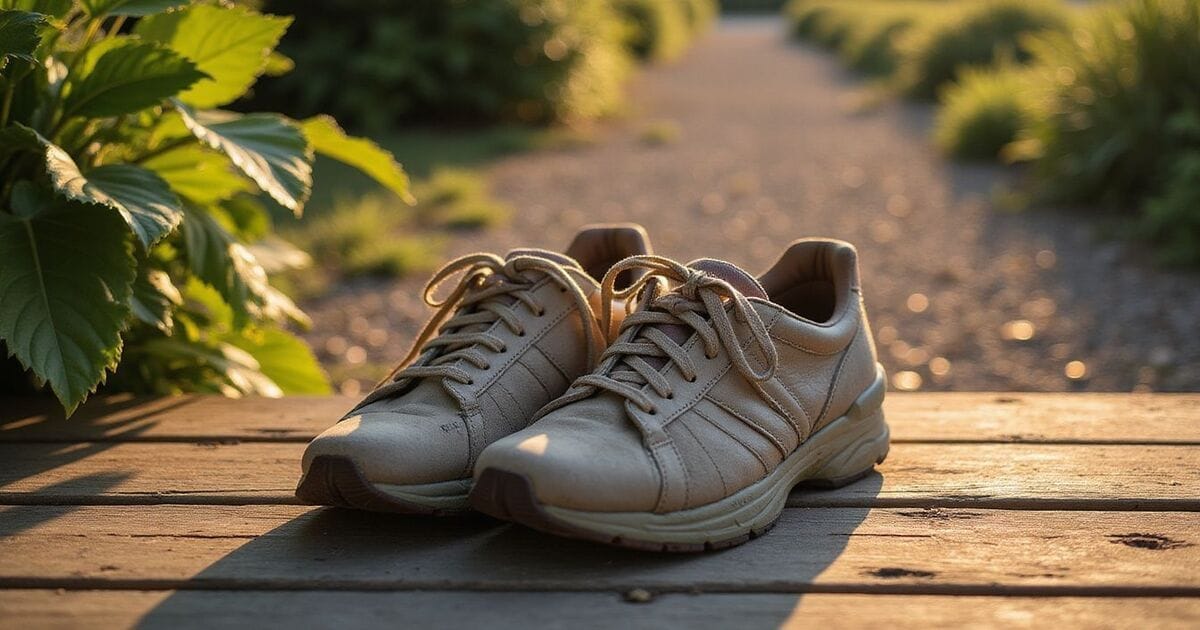
Walking helps your body burn calories without needing a gym membership.
Your steps add up to real weight loss by boosting your metabolism and turning your daily walk into something that actually works.
How Does Walking Help Burn More Calories?
Your body burns calories with every step you take. I used to hate the gym but found that a simple 30-minute brisk walk burns about 150 extra calories each day. This adds up fast!
You want to walk at a pace where you can talk but not sing—that's your sweet spot.
My fitness tracker shows that faster walking and longer routes mean more calories burned. Plus, going uphill or on rough paths makes your body work harder and burn even more.
Adding a weighted vest to your walk is another trick for extra calorie burn. I strap one on three times a week and feel the difference. Your body also keeps burning calories after your walk ends.
This happens because your metabolism stays higher for a while.
Try walking after meals too—it helps with blood sugar and may keep your body from storing fat.
Regular walks are what actually help you lose weight and keep it off.
How Does Walking Improve Your Metabolism?
Walking helps wake up your body's engine, even if you hate gyms. I started walking just 20 minutes daily last year and noticed my clothes fit better within weeks.
Regular walks keep your muscles active, which matters for a healthy metabolism.
Your body burns more calories all day long when you walk often, not just during the walk itself. This gentle exercise also helps fight the slowdown that happens as we get older.
Brisk walking helps fight type 2 diabetes by helping your body use sugar better.
Here's what most people don't know: walking helps keep muscle mass, which burns more calories than fat does, even at rest.
The best part? You don't need fancy gear or a gym membership to get these benefits. Just put on comfortable shoes and head outside.
Walking is a simple way to burn fat that fits into any schedule—perfect for busy people who hate complicated exercise routines.
Walking and Nutrition: The Perfect Pair
Don't let your walk go to waste—let's talk food for a second.
Walking creates a calorie deficit, but what you eat determines how your body uses it. I'm not talking about a strict diet, just smarter choices.
After I started walking, I noticed I naturally wanted healthier foods. Try swapping one sugary drink for water or adding an extra vegetable to your dinner.
These small changes, paired with your walks, are what really work for weight loss.
You wouldn't fuel a car with cheap gas, so don't fuel your walks with junk food.
Tips to Maximize Weight Loss Through Walking
You can make your walking workouts work harder for you with a few simple tweaks.
Try these proven tips to burn more calories and see faster results.
How Can Intervals and Brisk Pacing Boost Weight Loss?
Mix up your walking workout with intervals to burn more calories! Try walking faster for 10-15 seconds, then go back to normal speed. This simple change makes your body work harder and burns more fat.
The Perceived Exertion Scale helps track how hard you're working—aim for 5-6 during fast parts. Brisk pacing always burns more calories than slow, steady walks.
Hills are your secret weapon for weight loss. Walking uphill adds resistance that builds muscle and burns extra calories.
Start with a 5-10 minute warm-up before trying power walking, which uses arm movements for higher intensity.
This type of walking can even help older adults between 65-80 reverse muscle loss!
Beginners should keep interval sessions short at first, then slowly add more time as they get stronger.
What Are the Benefits of Adding Resistance Like Hills or Weights?

Adding hills to your walks burns more calories and builds stronger legs. I started walking uphill on my street last month and noticed my pants fit better!
You can raise the treadmill slope or find natural hills in your area.
Taking stairs instead of elevators works too. For even better results, try a weighted vest.
A 2024 study showed that women with low bone density who wore weighted vests during light exercise had less bone loss than others.
These vests may help stop osteopenia or osteoporosis from getting worse.
Just check with your doctor first if you have back or neck problems, and add weight slowly.
You can also mix in simple exercises like squats, lunges, or pushups during your walk.
The American Heart Association says doing both walking and strength moves gives you the best heart health.
Try to do strength training twice a week for 15-20 minutes, working all your major muscle groups.
Walking with added resistance not only helps with weight loss but also makes your heart stronger for better overall health.
Your First 4-Week Walking Plan
Feeling unsure how to start? Here's a simple plan I wish I had when I began.
Remember, it's okay to repeat a week until you feel ready to move on!
Week 1: Walk for 15 minutes, 5 days a week. Focus on a comfortable pace.
Week 2: Bump it up to 20 minutes, 5 days a week. Try to make one of those walks a 'brisk' pace.
Week 3: Aim for 25-30 minutes, 5 days a week. In one of your walks, try adding two intervals: walk faster for 1 minute, then slow down for 2 minutes.
Week 4: You're at 30+ minutes most days! Now, try to find a route with a small hill or add a third interval to your workout day.
What Are the Health Benefits of Walking Beyond Weight Loss?
Walking helps your body in more ways than just weight loss.
Let's look at the other health benefits that make walking a smart choice for your daily routine.
How Does Walking Enhance Cardiovascular Health?
Your heart loves a good walk! Each step you take makes your heart pump more blood, which helps it grow stronger over time.
I started with just 10 minutes a day, and now I can walk for 30 minutes without getting tired.
The CDC says we need at least 150 minutes of activity each week for a healthy heart. This isn't just talk—it's backed by science.
A faster walking pace can lower your risk of heart disease, no matter your age or if you're a man or woman.
The British Heart Foundation's 2024 research shows that walking matters for heart health.
Your body gets better at using oxygen when you walk often.
Blood flows more smoothly through your veins, and your blood pressure may drop too.
All these good changes happen without setting foot in a gym!
How Does Walking Improve Mental Well-Being?
Walking does wonders for your mind. It cuts down stress and makes you feel better about yourself.
Many people find that a daily walk helps them feel less sad or worried. Studies show that walking helps with better thinking and memory skills.
It also helps you sleep better at night, which keeps your brain healthy.
Walking is like a free mood booster with no bad side effects. People who walk often report fewer signs of depression and anxiety.
Even old practices like yoga knew about the brain benefits of walking.
Next time you feel down, try a 20-minute walk. Your brain will thank you, and those extra steps will help with weight loss too!
Stuck in a Walking Rut? Here's How to Push Through
I get it—some days the couch calls your name louder than the trail. Here's what works for me:
Bad Weather? I have a 15-minute 'living room walk' playlist. I just march in place, step side-to-side, and use the stairs if I have them. It's not glamorous, but it keeps the habit alive.
Bored? Try 'audio-hopping.' Listen to a podcast for 10 minutes, then switch to upbeat music for the next 10. The changing input keeps your brain engaged.
Low on Time? This was my biggest excuse. Now, I break my walk into two 15-minute chunks—one in the morning, one after lunch. It still adds up!
Conclusion
Walking can change your life without fancy gym gear. You'll burn fat, feel better, and boost your heart health with just a pair of good shoes. Start small with ten minutes daily, then add more time as you get stronger.
Mix in hills and pick up your pace to see even faster results. Your body will thank you, and you'll see the proof that this simple habit works.
Ready to Take This Further?
If this article showed you that the world is your gym, you’re already thinking differently than 95% of people out there.
But knowing it is one thing—having a system to execute it is another.
The Steps Stack System is the exact framework I use with my readers to turn everyday "dead time" — waiting for coffee, walking to the car, pacing during a phone call — into a powerful fat-burning routine.
No gym membership.
No 5:00 AM alarm.
No willpower required.
Just a simple, proven system that works on your busiest, laziest days.
👉 Grab the Steps Stack System here and start burning fat today →
Join hundreds of busy people who are already "stacking" their way to a leaner, healthier body — without ever setting foot in a gym.
FAQs
How much walking do I need to do for weight loss?
Start with 30 minutes of brisk walking each day. As you get stronger, try to walk for about an hour most days. The key is to be consistent with your walks, not perfect.
Is walking better than running for losing weight?
Walking is easier on your joints than running but still burns calories. You can walk longer without getting tired, which may help you burn more fat over time. Plus, walking is something almost anyone can do without special skills.
When is the best time to walk for weight loss?
Any time you can fit it in works! Morning walks may boost your energy for the day. Evening walks can help you unwind and sleep better. The most important thing is picking a time you'll stick with.
How can I make my walks more effective for weight loss?
Try adding hills or stairs to your route to work harder. Walk faster for short bursts, then slow down, like a simple interval workout. You can also swing your arms more or carry light weights to burn extra calories.
What should I do if I stop losing weight?
This happens to everyone! Your body has gotten used to your routine. It's time to 'surprise' your muscles again. Try one of these: add a new hill to your route, wear your weighted vest for an extra walk each week, or increase your total walking time by 10 minutes. Sometimes, a small change is all it takes to get things moving again.
References
Disclaimer
The content provided in this article is for informational and educational purposes only and is not intended as a substitute for professional medical advice, diagnosis, or treatment. Always seek the advice of your physician or another qualified health provider with any questions you may have regarding a medical condition or before making any changes to your diet or lifestyle.
Created with ©systeme.io